
Carving down an icy slope at thirty miles per hour takes focus. Your helmet is your most critical safety gear. Falls on hardpack snow and tree strikes create intense impact forces. Only a certified alpine snow helmet can dissipate that energy safely.
In this 2026 ski helmet review, our alpine desk examines top head protection. Modern snow lids protect your skull without sacrificing comfort or airflow. Old bucket helmets were bulky and heavy. Today, aerodynamic hybrid shells offer sleek protection. MIPS technology reduces rotational forces during angled falls. That helps protect brain tissue. Active vents channel fresh air across your brow. This stops goggle fogging while blocking freezing winds. If you’re outfitting your complete winter setup, pair your head protection with our expert recommendations for the best ski and snowboard goggles, and check out our companion roundup of the best ski gloves.
Master Comparison Table: Top Ski Helmets at a Glance
The comparison table below evaluates each ski helmet’s shell construction, impact absorption technology, ventilation system, and price tier:
| Model | Product & Award | Key Spec / Category | Tier | Action |
|---|---|---|---|---|

|
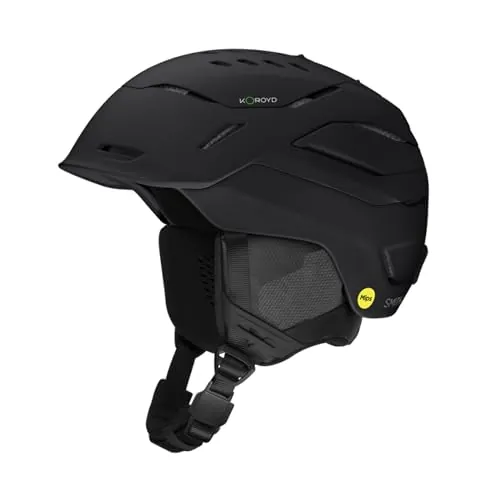
Best Overall Pick / Benchmark Hybrid Shell & Dual-Zone Climate Ventilation Smith Vantage 2 MIPS Snow Helmet |
Hybrid SL Construction | Koroyd Zonal Impact Core | 21 Dual Regulator Vents | MIPS Protection | $$$$ | Check Price » |

|
Best Lightweight Pick / Sleek In-Mold Low-Profile Freeride Design Giro Jackson MIPS Snow Helmet |
In-Mold Polycarbonate Shell | Passive Aggressive Venting | In Form 2 Fit System | MIPS Protection | $$$ | Check Price » |
|
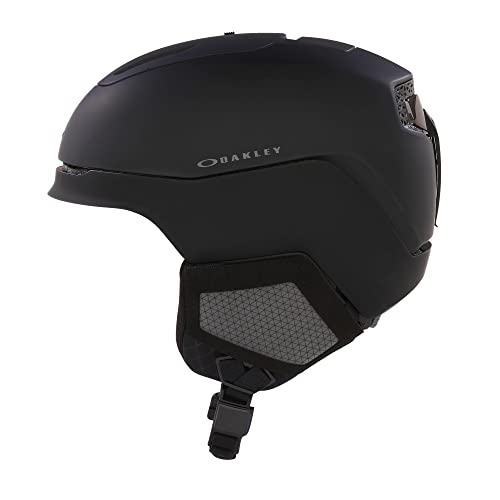
Best Peripheral Field & Goggle Integration / Modular Brim Hybrid Shell Oakley MOD5 MIPS Snow Helmet |
Hybrid Shell Construction | Modular Brim System (MBS) | BOA 360 Fit | Fidlock Magnetic Buckle | $$$$ | Check Price » |

|
Best Premium Climate Control / 23-Vent Dual Regulator System Anon Prime MIPS Snow Helmet |
50/50 Hybrid Shell | 23 Active Vents | In-Shell 360 BOA Fit | Expedition Fleece Liner | MIPS | $$$$ | Check Price » |

|
Best Budget Pick / Outstanding Value with Verified MIPS Impact Protection OutdoorMaster Kelvin II MIPS Snow Helmet |
Reinforced ABS Shell | High-Density EPS Core | 14 Air Vents | Removable Fleece Liner | MIPS | $$ | Check Price » |
❄️ Alpine & Mountain Desk Notes: Alpine & Mountain Desk Notes: Sizing Your Helmet — The 2-Finger Brow Rule & No-Gap Alignment
A ski helmet that fits poorly can’t protect your head effectively in a high-speed fall. When trying on a helmet, place the front rim exactly two finger-widths above your eyebrows. If the helmet sits too far back, your forehead is vulnerable to impacts and you create an exposed wind gap above your goggles. Once positioned, perform the ‘shake check’ before buckling the chinstrap: shake your head firmly side to side. The helmet should move with your scalp without sliding or wobbling independently. If it slides freely over your hair, use the rear micro-fit dial to snug the occipital cradle.
In-Depth Ski & Snowboard Helmet Reviews & Impact Analysis
Our alpine editorial team evaluated dozens of helmets based on rotational impact safety, liner comfort, climate ventilation, and goggle compatibility. Below are our in-depth evaluations of the top 5 ski helmets for 2026:
Smith Vantage 2 MIPS Snow Helmet
Price Tier: $$$$ | Key Spec: Hybrid SL Construction | Koroyd Zonal Impact Core | 21 Dual Regulator Vents | MIPS Protection
Skiing steep glades and icy bowls requires trustworthy head protection. You want gear you never second-guess. The Smith Vantage 2 MIPS sets the modern benchmark for alpine safety. It merges a tough Bombshell ABS top cap with an in-mold lower shell, keeping weight down while deflecting direct rock impacts. That keeps weight down. Underneath, energy-absorbing Koroyd honeycomb structures compress on impact without trapping heat. The BOA 360 fit system wraps smoothly around your head without uncomfortable pressure points. Dual climate sliders let you adjust front and rear vents separately, so you can dump heat during bootpacks and seal out blizzard chills on the chairlift.
Resort riders and backcountry tourers consistently praise the Vantage for its airflow management. Skiers note that goggle exhaust vents align cleanly with the helmet’s brim intake, preventing fogging during heavy exertion. While it requires an upfront investment, skiers who log 30+ days a season report the liner holds its shape year after year.
✓ What Works Well
- Hybrid SL construction combines a rugged ABS hardshell upper with a featherweight in-mold lower perimeter
- Zonal Koroyd tubular honeycomb absorbs energy during impacts while exhausting hot moisture
- Dual regulator climate controls allow independent front and rear venting adjustments on freezing lift rides
⚠ What to Keep in Mind
- Top-tier investment price point compared to standard single-density foam helmets
- Medium brim profile can push down slightly on oversized spherical goggle frames if not sized carefully
Bottom Line: The benchmark standard in ski safety, offering unrivaled Koroyd impact absorption, customizable dual-zone ventilation, and clean goggle integration.
Giro Jackson MIPS Snow Helmet
Price Tier: $$$ | Key Spec: In-Mold Polycarbonate Shell | Passive Aggressive Venting | In Form 2 Fit System | MIPS Protection
Bulky, heavy ski helmets can cause annoying neck stiffness by early afternoon. The Giro Jackson MIPS takes a minimalist freeride approach. It features a lightweight in-mold polycarbonate shell fused directly to an EPS foam liner. It weighs very little. Giro’s Passive Aggressive venting system mimics high-end aerodynamic sports cars. It draws cool air through brim vents. Then it exhausts moisture out the back as you ride. The In Form 2 fit dial offers vertical and circumference tuning, making it easy to dial in a flush seal with your goggles.
Freeride skiers and park riders love the Jackson for its barely-there feel. Skiers note that the helmet feels balanced on jumps and tree runs without tilting forward. Those skiing in sub-zero Vermont deep freezes mention wearing a thin balaclava underneath, since the passive vents can’t be sealed shut manually.
✓ What Works Well
- Featherweight in-mold design eliminates neck fatigue during full-day resort and tree skiing
- Passive Aggressive venting channels airflow dynamically based on your movement speed
- Clean modern aesthetic without bulky external sliders or protruding scoops
⚠ What to Keep in Mind
- Passive vents can’t be manually closed during sub-zero chairlift blizzards
- In-mold EPS shell is more susceptible to cosmetic dings when traveling in unpadded luggage
Bottom Line: A featherweight, low-profile helmet that pairs modern aerodynamic venting with dependable MIPS protection for riders who hate bulky lids.
Oakley MOD5 MIPS Snow Helmet
Price Tier: $$$$ | Key Spec: Hybrid Shell Construction | Modular Brim System (MBS) | BOA 360 Fit | Fidlock Magnetic Buckle
If you ride in oversized spherical or toric goggles, finding a helmet that avoids pushing down on the bridge of your nose can be challenging. The Oakley MOD5 solves this through its Modular Brim System (MBS). It allows riders to swap between brims to match both small and large eyewear perfectly. You get great visibility. The hybrid shell puts rigid ABS over impact areas while keeping the sides light with in-mold foam. A magnetic Fidlock buckle snaps shut automatically, letting you fasten your chinstrap with heavy insulated gloves on a windy chairlift. The BOA 360 fit system cradles your occipital bone for all-day stability.
Skiers paired with Oakley Flight Deck or large spherical goggles report that the MOD5 offers the cleanest, gap-free seal on the mountain. Riders love the Fidlock magnetic snap, calling it an essential convenience in freezing weather. Reviewers note it feels slightly heavier than featherweight in-mold designs, but the premium fit makes up for the ounces.
✓ What Works Well
- Modular Brim System includes interchangeable brims for small and large goggle frames
- Fidlock magnetic chin buckle allows effortless one-handed fastening while wearing thick ski mittens
- Hybrid shell places high-impact ABS in the critical front zone with lightweight in-mold flanks
⚠ What to Keep in Mind
- Heavier in hand than pure in-mold minimalist frames
- Premium price reflects high-end hardware like Fidlock and BOA components
Bottom Line: The ultimate helmet for clean goggle integration, featuring customizable modular brims, one-handed magnetic buckles, and premium hybrid impact protection.
Anon Prime MIPS Snow Helmet
Price Tier: $$$$ | Key Spec: 50/50 Hybrid Shell | 23 Active Vents | In-Shell 360 BOA Fit | Expedition Fleece Liner | MIPS
Mountain conditions can swing from freezing blizzard chairlift rides in the morning to sunny slush skiing by afternoon. The Anon Prime MIPS manages these shifts with 23 separate vents controlled by active dual regulators. You can close front vents to block headwind. At the same time, keep top vents open to exhaust steam. Its 50/50 hybrid construction fuses an Endura-shell ABS upper for tree branch deflection with a lightweight in-mold lower rim. Inside, expedition fleece cushions your skull and wicks away moisture before it can dampen your hair.
Skiers operating in regions with severe temperature swings praise the Prime for its vent versatility. The 360 BOA system evenly distributes pressure without hot spots. Riders who pair the helmet with Anon M4 goggles note the magnetic face mask snaps underneath smoothly without catching on the chinstrap.
✓ What Works Well
- 23 active ventilation channels provide unmatched temperature regulation in freezing storms or spring slush
- Expedition fleece interior liner and ear pads deliver plush warmth without itchy friction
- Audio accessory compatible ear pads let you slide in wireless mountain sound pucks
⚠ What to Keep in Mind
- Top-bracket pricing for riders who demand maximum vent adjustability
- Liner warmth can run slightly warm for fast-paced spring touring without vents wide open
Bottom Line: A high-performance alpine helmet for all-weather skiers who want precise temperature control across 23 active vents and plush thermal comfort.
OutdoorMaster Kelvin II MIPS Snow Helmet
Price Tier: $$ | Key Spec: Reinforced ABS Shell | High-Density EPS Core | 14 Air Vents | Removable Fleece Liner | MIPS
Ski safety shouldn’t require emptying your bank account. The OutdoorMaster Kelvin II MIPS brings certified multi-directional rotational impact protection to an approachable price point. It features a rugged ABS shell surrounding a thick EPS impact-absorbing core. You get solid protection. Fourteen strategically placed vent holes draw air across your forehead to keep goggles clear and exhaust head heat. An adjustable rear fit dial snugs the helmet to your head circumference with smooth micro-clicks. The plush fleece liner removes easily for warm spring days. You can also wash it between ski trips.
Everyday skiers and parents rave about the Kelvin II MIPS as an unbeatable value. Riders report that the fit dial accommodates various head shapes without pinching behind the ears. Reviewers note it’s slightly heavier than high-end hybrid helmets, but its solid construction gives skiers immense confidence on crowded trails.
✓ What Works Well
- Brings certified MIPS rotational impact protection to skiers and families at an entry-level price
- Tough ABS hardshell provides exceptional durability against knocks, trunk storage, and ski rack dings
- Detachable ear pads and plush thermal lining are fully machine washable
⚠ What to Keep in Mind
- Traditional ABS shell is heavier than premium hybrid and in-mold competition
- Venting is static and can’t be sealed shut during blizzards without wearing an under-helmet beanie
Bottom Line: An unbeatable budget pick that brings verified MIPS rotational protection and reliable all-mountain durability to everyday skiers and families.
❄️ Alpine & Mountain Desk Notes: Alpine & Mountain Desk Notes: Helmet Replacement Lifespan — Why One Crash Retires an EPS Shell
Unlike football or hockey helmets built for repeated low-energy sub-concussive thumps, alpine ski helmets use Expanded Polystyrene (EPS) liners engineered as single-impact crush zones. When your head hits packed snow or ice at speed, the microscopic EPS foam beads compress permanently to dissipate destructive g-forces away from your brain. Even if the outer ABS shell springs back smoothly without a visible crack, the internal foam underneath remains flattened and compromised. If you experience a hard crash where your helmet struck the snow or trees, retire the helmet immediately. Additionally, degradation from UV sunlight, sweat salts, and temperature swings dictates replacing any snow helmet every five seasons.
Also Considered: Other Popular Ski Helmets We Evaluated
During our winter gear audits, our alpine team evaluated dozens of snow helmets across Rocky Mountain powder days and icy East Coast groomers. While our five top award picks offer the finest rotational protection, goggle airflow channels, and climate ventilation, several well-known helmets were closely audited before being edged out:
Why it missed the cut: Delivers an ultra-lightweight in-mold shell with Wool Blend liner comfort, but the magnetic chin buckle clasp can release accidentally when pulled firmly with bulky mittens.
Why it missed the cut: Features proprietary EPS4D shock-absorption tech and an integrated custom dial, but the narrower oval shape can create uncomfortable temple pressure for rounder head shapes.
Why it missed the cut: Constructed with clean Scandinavian design and thick EPS protection, but the top vent sliders feel stiff and are difficult to adjust with frozen gloves on cold lifts.
Mountain Safety Playbook: 5-Pillar Ski Helmet Selection Guide
Choosing the right ski helmet requires understanding how shell materials, rotational impact liners, and ventilation channels work together in sub-zero alpine conditions. Follow this 5-pillar guide so you won’t have to guess when investing in head safety.
1. Shell Architecture: In-Mold vs. ABS Hardshell vs. Hybrid SL
The exterior construction of your helmet determines its overall weight, puncture resistance, and durability against daily resort abuse:
- In-Mold Polycarbonate Shells: Fuses a thin polycarbonate outer shell directly to the EPS foam liner during molding. This creates a featherweight, low-profile helmet like the Giro Jackson MIPS. It minimizes neck fatigue on long ski days. While light, the thinner shell can dent more easily from roof racks or airport luggage.
- Injection-Molded ABS Hardshells: Built with a thick, rugged ABS plastic cap glued over an EPS core (exemplified by the OutdoorMaster Kelvin II). These helmets offer exceptional puncture resistance against jagged rocks and tree branches. They withstand years of rough treatment in ski lockers, though they carry noticeable extra ounces.
- Hybrid Shell Construction: The modern gold standard for resort performance (found on the Smith Vantage 2 and Oakley MOD5). Hybrid builds place tough ABS hardshell across the top crown and impact zones, while using in-mold polycarbonate along the sides. You get dependable branch deflection where you need it most while preserving a balanced, lightweight center of gravity.
2. Rotational Safety Systems: How MIPS & Koroyd Protect Brain Tissue
Traditional safety standards dropped helmets straight down onto flat steel anvils. But real ski crashes rarely happen that way. Most crashes happen at high speeds and glancing angles. That creates harsh rotational forces that twist your head.
Modern alpine helmets solve this through low-friction slip planes, most notably the Multi-directional Impact Protection System (MIPS). A MIPS layer lets the outer shell slide 10 to 15 millimeters relative to your head during a crash. This quick movement redirects dangerous twisting forces away from your brain. Advanced honeycomb structures like Koroyd (featured in Smith helmets) crush uniformly upon impact, absorbing up to 48% more energy than standard EPS alone. According to ASTM F2040 recreational snow sports safety standards, multi-directional rotational management represents the single most significant advancement in recreational snow sports safety standards.
3. Goggle Ventilation Channels & Eliminating the “Gaper Gap”
Your goggles and helmet must function as an integrated ventilation system. When warm, humid air rises from your face during a hard run, it escapes through the top perimeter vents of your goggles. If your helmet brim extends too low, or if the helmet lacks intake vents above the brow, that trapped steam bounces back down, causing instant inner-lens fogging.
Look for helmets with dedicated brow intake ports (such as Smith’s AirEvac or Giro’s Stack Vent) that align directly over your goggle frame. Air moving across the helmet creates a gentle vacuum. It pulls warm moisture up and out through the rear vents. Also, make sure the front rim sits flush against the top frame of your goggles. A visible forehead gap—known across ski resorts as the “gaper gap”—leaves delicate skin exposed to sub-zero windchill and frostbite.
4. Price-Tier Reality Check ($, $$, $$$, $$$$)
Understanding the pricing architecture of ski helmets ensures you get the right blend of impact safety, weight savings, and temperature versatility:
- Entry-Level Value ($$): Foundational models like the OutdoorMaster Kelvin II bring certified MIPS rotational protection and durable ABS shells to recreational skiers at an accessible price. You get verified safety and plush fleece warmth without paying for lightweight composite materials.
- Core Performance & Freeride ($$$): Mid-tier helmets like the Giro Jackson MIPS offer lightweight in-mold designs, aerodynamic passive venting, and precision micro-fit adjustment dials. They eliminate bulky profiles for skiers who want clean lines and minimal neck strain.
- Elite Hybrid & Dual-Climate Systems ($$$$): Flagship icons like the Smith Vantage 2, Oakley MOD5, and Anon Prime represent the peak of alpine protection. You get hybrid SL shells, Koroyd honeycomb cores, 20+ active vents with dual regulator sliders, BOA 360 cradles, and Fidlock magnetic buckles built for 50-day seasons.
5. Post-Ski Care, Moisture Management & Seasonal Storage
Proper maintenance preserves the protective integrity of your helmet liner and shell for seasons to come:
Never Store Wet Gear in Sealed Bags: After a storm day or warm spring session, never zip a damp helmet inside a nylon boot bag. Trapped sweat salts and melted snow degrade the glue bonding the EPS foam to the outer shell while encouraging foul bacterial mold. Always unclip the ear pads, pull down the liner, and allow the helmet to air-dry naturally at room temperature away from direct heating registers.
Seasonal Inspection & Sun Shielding: High-altitude sun breaks down plastic shells over time. Store your helmet in a cloth bag during summer. Keep it in a dry closet. Keep it in a cool closet rather than a hot attic or car trunk. Before your first chairlift ride each autumn, inspect the chinstrap webbing for fraying and check that the rear fit dial clicks crisply without slipping.
Frequently Asked Questions (FAQ)
How do I know if a ski helmet fits me properly?
A properly fitted ski helmet should sit level on your head, approximately two finger-widths above your eyebrows. It should feel snug and secure around your entire circumference without painful pressure points. When you shake your head firmly from side to side without the chinstrap buckled, the helmet shouldn’t slide or shift independently across your scalp.
What is MIPS and do I really need it in a ski helmet?
MIPS stands for Multi-directional Impact Protection System. It consists of a low-friction layer inside the helmet that rotates slightly during an angled fall, reducing dangerous rotational forces transferred to the brain. Because nearly all ski crashes occur while traveling forward at high speeds rather than hitting an obstacle dead-on, MIPS provides vital protection against concussions and severe brain injuries.
Can I use a bicycle or skateboard helmet for downhill skiing?
No. Bicycle and skate helmets are not certified for snow sports. Alpine ski helmets must meet strict ASTM F2040 or CE EN 1077 certifications, which mandate higher impact resistance, cold-temperature shell integrity at sub-zero conditions, and protection against sharp hazards like ski poles and rocks. Snow helmets also feature thermal liners and ear coverage designed for winter warmth.
How often should you replace a ski helmet?
You must replace a ski helmet immediately after any significant crash where your head impacted the snow, ice, or trees, even if the exterior shell shows no cracks. The internal EPS foam crushes permanently during an impact to absorb energy. Even without crashes, manufacturers recommend replacing your ski helmet every three to five seasons due to sweat, UV exposure, and foam degradation.
How do I prevent my goggles from fogging up under my helmet?
To prevent fogging, choose a helmet with brim intake vents that match the exhaust vents on top of your goggle frame. Air flowing through the helmet draws humid air out of the goggles. Ensure there’s no gap between your goggles and helmet brim, and never rest your damp goggles on your warm helmet while having lunch in the lodge.