
Cold hands ruin a powder day fast. When fingers freeze, your ski day comes to a painful halt. Freezing wind and wet snow numb your fingers. You lose fine motor control. Gripping ski poles and riding chairlifts quickly becomes miserable.
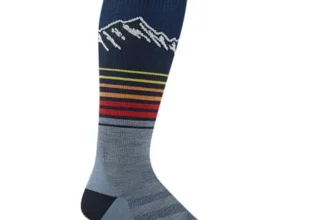
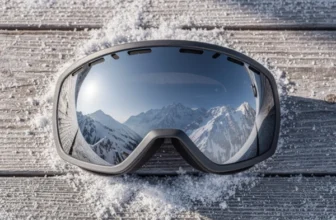
In this 2026 ski glove review, our alpine desk examines how modern winter handwear balances waterproof weather protection, thermal insulation, and finger dexterity. Tough goat leather gauntlets and Gore-Tex membranes keep hands warm. Cozy mittens trap heat. Having the right handwear makes all the difference on the slopes. To complete your cold-weather mountain gear, pair your gloves with our expert recommendations for the best ski and snowboard goggles, and check out our companion roundup of the best ski socks.
Master Comparison Table: Top Ski Gloves at a Glance
The comparison table below evaluates each glove’s palm material, insulation technology, waterproof barrier, and price tier:
| Model | Product & Award | Key Spec / Category | Tier | Action |
|---|---|---|---|---|

|
Best Overall Pick / Legendary Goat Leather Durability & Thermal Gauntlet Design Hestra Army Leather Heli Ski Gloves |
Proofed Army Goat Leather Palm | 3-Layer HESTRA Triton Polyamide | Removable Bemberg Fleece Liner | $$$$ | Check Price » |

|
Best Budget Workhorse / Indestructible Ski Patrol Benchmark Pigskin Glove Kinco 901 Heavy Duty Lined Pigskin Gloves |
Premium Grain Pigskin Leather | HeatKeep Thermal Insulation | Reinforced Palm Patches | Knit Wrist | $ | Check Price » |

|
Best for Extreme Sub-Zero Cold / Heavy-Duty PrimaLoft & Boiled Wool Insulation Black Diamond Guide Alpine Ski Gloves |
Woven Nylon Shell | PrimaLoft Gold & Boiled Wool | Goat Leather Palm & Knuckles | Removable Liner | $$$$ | Check Price » |

|
Best Value All-Mountain / Gore-Tex Waterproofing & Touchscreen Liner System Dakine Titan Gore-Tex Ski Gloves |
Gore-Tex Waterproof Breathable Insert | High-Loft Polyfill Insulation | Removable Touchscreen Liner | $$ | Check Price » |

|
Best Mitten for Snowboarders / Maximum Finger Warmth & Thermacore Insulation Burton Men’s Gore-Tex Insulated Mittens |
DRYRIDE 2-Layer Fabric | Gore Warm Technology | Screen Grab Synthetic Palm | Thermacore Insulation | $$$ | Check Price » |
❄️ Alpine & Mountain Desk Notes: Alpine & Mountain Desk Notes: Gloves vs. Mittens vs. 3-Finger Lobster Claws
The classic debate between gloves and mittens comes down to a direct trade-off between dexterity and warmth. Five-finger gloves give you the fine motor control needed to grip ski poles, zip pockets, adjust boot buckles, and swap magnetic goggle lenses without taking your hands out into the cold. However, each isolated finger has high surface area exposed to freezing air. Mittens cluster all four fingers into a single shared chamber, minimizing surface heat loss and generating far more warmth. If you want the best of both worlds, consider a 3-finger ‘lobster claw’ design, which’solates your index finger and thumb for pole grip while keeping your remaining three fingers warm together.
In-Depth Ski & Snowboard Glove Reviews & Thermal Analysis
Our alpine editorial team evaluated dozens of gloves and mittens based on insulation density, waterproof membranes, dexterity, and rider feedback across varying winter conditions. Below are our in-depth evaluations of the top 5 ski gloves for 2026:
Hestra Army Leather Heli Ski Gloves
Price Tier: $$$$ | Key Spec: Proofed Army Goat Leather Palm | 3-Layer HESTRA Triton Polyamide | Removable Bemberg Fleece Liner
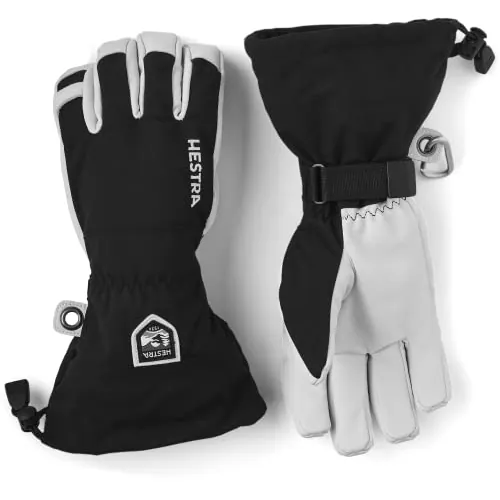
Frozen hands cut your ski day short. Your fingers ache on the chairlift. The Hestra Army Leather Heli Ski glove is revered across mountain resorts from British Columbia to the Swiss Alps. It combines supple proofed goat leather across the palms and fingers with a weatherproof three-layer Triton polyamide shell on the backhand. The anatomical eagle grip pre-curves the fingers, reducing hand fatigue when gripping ski poles. A removable Bemberg polyester fleece liner traps air effectively, and can be easily pulled out to dry near the fireplace after a wet day in the powder.
Riders and owners who wear these praise the Heli Ski glove for outlasting synthetic gloves three times over. Skiers appreciate the included wrist leashes (handcuffs), which prevent dropped gloves when removing them on windy chairlifts to adjust goggle lenses. Reviewers emphasize using the included leather balm to keep the goat leather buttery soft in sub-zero freezes.
✓ What Works Well
- Full-grain proofed army goat leather palm withstands aggressive rope tows and sharp steel ski edges
- Removable Bemberg polyester fleece liner allows fast overnight drying at the ski lodge
- Long over-cuff gauntlet with snow lock drawstring keeps deep powder out of jacket sleeves
⚠ What to Keep in Mind
- Significant upfront investment compared to synthetic entry-level ski gloves
- Requires periodic leather balm treatment to maintain waterproof suppleness over years
Bottom Line: The undisputed benchmark in alpine handwear, combining bombproof goat leather durability, modular drying liners, and deep-powder gauntlet protection.
Kinco 901 Heavy Duty Lined Pigskin Gloves
Price Tier: $ | Key Spec: Premium Grain Pigskin Leather | HeatKeep Thermal Insulation | Reinforced Palm Patches | Knit Wrist
Walk into any ski patrol locker room in North America, and you’ll see pairs of Kinco 901 gloves baking by the heaters. The 901 is legendary among mountain workers who handle sharp steel cables, heavy rope tows, and frozen avalanche gear. Crafted from heavy-duty grain pigskin leather, it possesses a unique porous structure that doesn’t stiffen or crack after getting wet. HeatKeep thermal insulation sandwiches laminated batting between warm layers, while reinforced leather patches protect high-abrasion palm areas.
Ski patrollers and everyday ski bums call the Kinco 901 the best pound-for-pound deal in winter sports. Riders note that spending thirty minutes applying Sno-Seal wax with a hair dryer turns them into bulletproof waterproof workhorses that easily last three full seasons of aggressive abuse.
✓ What Works Well
- Indestructible pigskin leather remains soft and supple even after repeated soaking and drying cycles
- Exceptional budget value that outperforms gloves costing four times the price
- HeatKeep thermal lining traps body heat effectively on icy mid-winter morning shifts
⚠ What to Keep in Mind
- Requires baking on Sno-Seal or Nikwax wax at home to achieve full waterproof protection
- Knit under-cuff wrist design is less effective at keeping out waist-deep powder than long gauntlets
Bottom Line: The legendary ski patrol favorite that delivers unmatched leather toughness and warmth at a fraction of designer resort prices.
Black Diamond Guide Alpine Ski Gloves
Price Tier: $$$$ | Key Spec: Woven Nylon Shell | PrimaLoft Gold & Boiled Wool | Goat Leather Palm & Knuckles | Removable Liner
For skiers whose fingers routinely go numb in sub-zero Vermont or Canadian freezes, the Black Diamond Guide is an alpine fortress. Rated down to -20 degrees Fahrenheit, it’s built with an abrasion-resistant four-way stretch nylon shell and thick goat leather reinforcement across the palms and fingers. Inside, a removable liner blends 170 grams of PrimaLoft Gold insulation on the back of the hand with boiled wool fleece on the palm. Molded EVA foam across the knuckles cushions impacts. It protects fingers against icy trees and frozen gates.
Backcountry skiers and sub-zero resort riders consider the Guide their ultimate deep-freeze insurance policy. Skiers note that while gripping ski poles is comfortable, unzipping small jacket pockets requires removing the gloves due to the sheer thickness of the insulation. Once broken in, riders report they are virtually indestructible.
✓ What Works Well
- Engineered for sub-zero conditions down to -20 degrees Fahrenheit (-29C)
- PrimaLoft Gold insulation combined with boiled wool fleece liner maximizes thermal retention
- Molded EVA foam knuckle padding deflects impact from tree branches and frozen race gates
⚠ What to Keep in Mind
- Heavy and bulky construction sacrifices fine finger dexterity for maximum furnace warmth
- Requires a dedicated break-in period for the heavy-duty leather palm to soften
Bottom Line: A heavy-duty arctic-grade glove built for extreme sub-zero mountain conditions, combining boiled wool and PrimaLoft insulation with rock-solid goat leather armor.
Dakine Titan Gore-Tex Ski Gloves
Price Tier: $$ | Key Spec: Gore-Tex Waterproof Breathable Insert | High-Loft Polyfill Insulation | Removable Touchscreen Liner
Skiing in wet storms or spring slush quickly soaks ordinary handwear. Cold slush penetrates cheap fabrics. The Dakine Titan solves wet-weather misery with an integrated Gore-Tex waterproof-breathable insert that seals out water while allowing internal sweat vapor to escape. It features a water-repellent poly shell and high-loft synthetic insulation. A clever external zippered stash pocket holds disposable handwarmer heat packs for freezing mornings. Best of all, it ships with a removable touchscreen-compatible stretch fleece liner.
Weekend skiers and resort riders love the Titan for its versatile three-in-one setup. Riders praise the touchscreen liner, which lets you snap photos or text friends on the chairlift without exposing bare skin to frostbite. Reviewers note the Rubbertec palm provides decent grip, though skiers should avoid grabbing sharp metal ski edges repeatedly.
✓ What Works Well
- Guaranteed waterproof Gore-Tex membrane keeps hands bone-dry in wet coastal snowstorms
- Includes removable touchscreen-compatible stretch fleece liner for easy smartphone photos
- External water-resistant stash pocket holds chemical handwarmers or locker keys
⚠ What to Keep in Mind
- Synthetic Rubbertec palm is less abrasion-resistant against sharp ski edges than genuine leather
- Insulation can feel bulky when worn with the secondary liner glove inserted
Bottom Line: An outstanding value that pairs genuine Gore-Tex waterproofing with touchscreen liner convenience and reliable all-weather warmth.
Burton Men’s Gore-Tex Insulated Mittens
Price Tier: $$$ | Key Spec: DRYRIDE 2-Layer Fabric | Gore Warm Technology | Screen Grab Synthetic Palm | Thermacore Insulation
For riders prone to chronically cold hands, separating fingers into individual glove compartments is a recipe for shivering. The Burton Gore-Tex Mitten groups your fingers together, letting them share radiant warmth inside a cozy chamber insulated with lightweight Thermacore. Wrapped in durable two-layer DRYRIDE fabric and backed by a Gore Warm membrane, it locks out driving blizzards and soaking slush. Burton’s Screen Grab technology is built directly into the synthetic palm, allowing you to control smartphones without removing the mitten.
Snowboarders and cold-handed skiers rate this mitten among the coziest handwear on the mountain. Riders love that strapping into snowboard bindings or adjusting boot ratchets is easy, while fingers stay toasty even in 10-degree chairlift gusts. Reviewers recommend using the heater vent pocket for chemical handwarmers on deep-freeze days.
✓ What Works Well
- Mitten design clusters fingers together, sharing body heat for superior sub-zero warmth
- Gore Warm technology ensures complete waterproof protection during wet snowboard falls
- Screen Grab synthetic palm enables full touchscreen functionality across the entire mitten
⚠ What to Keep in Mind
- Reduced finger dexterity makes handling boot buckles or small zippers slightly slower
- Can become overly warm during energetic spring terrain park sessions
Bottom Line: The top mitten pick for snowboarders and riders seeking maximum thermal sharing, Gore-Tex weatherproofing, and full touchscreen capability.
❄️ Alpine & Mountain Desk Notes: Alpine & Mountain Desk Notes: The Leather Conditioning Ritual — Sno-Seal & Nikwax Treatment
Genuine goat, cowhide, or pigskin leather gloves are vastly more durable and wind-resistant than synthetic nylon, but only if you maintain their natural oils. Untreated leather absorbs water, which freezes inside the grain, expanding and cracking the fibers. Once or twice each season, treat your leather gloves with beeswax-based Sno-Seal or Nikwax Leather Balm. Warm the gloves slightly with a household hair dryer on low heat so the pores open up. Rub a generous dab of balm into the leather, paying special attention to the high-wear seams around the fingers and thumb crotch. The leather will turn dark, supple, and completely impermeable to melting slush.
Also Considered: Other Popular Ski Gloves We Evaluated
During our winter gear audits, our alpine team evaluated dozens of gloves and mittens across stormy Pacific Northwest powder days and freezing East Coast conditions. While our five top award picks offer the finest leather durability, thermal insulation, and waterproof barrier protection, several well-known models were closely audited before being edged out:
Why it missed the cut: Offers unmatched Gore-Tex expedition warmth with PrimaLoft liners, but the oversized mountaineering gauntlet feels excessively bulky for casual resort groomer skiing.
Why it missed the cut: Delivers durable pre-treated pigskin work glove aesthetics, but the fixed thermal lining can’t be removed for rapid overnight drying in wet climate zones.
Why it missed the cut: Constructed with buttery soft leather and Tri-Plex insulation, but the internal waterproof insert can pull inside out if removed with damp sweaty hands.
Mountain Handwear Playbook: 5-Pillar Ski Glove Selection Guide
Investing in the right pair of ski gloves requires understanding how shell materials, thermal fills, and waterproof barriers function together in sub-zero alpine conditions. Follow this 5-pillar guide so you won’t have to guess when protecting your hands.
1. Thermal Insulation Breakdown: Down vs. PrimaLoft vs. Boiled Wool
Insulation traps warm air inside your gloves. That air is heated by your body. Choosing the right fill depends on your climate and sweat tendencies:
- PrimaLoft Synthetic Insulation: The gold standard for alpine performance handwear (featured in Black Diamond Guide gloves). PrimaLoft fibers mimic goose down clusters. They keep up to 96% of their warmth even when damp with hand sweat. It dries very fast. It also provides serious warmth without bulky weight.
- Natural Boiled Wool: Highly durable and naturally moisture-wicking. Boiled wool fibers absorb moisture internally. The surface stays dry to the touch. This makes it ideal for lining palms and fingertips.
- High-Loft Polyester Fleece: Found in modular liner systems (like the Hestra Heli Ski). Fleece feels exceptionally soft against bare skin, doesn’t hold onto moisture, and can be pulled out to dry near a fireplace in under twenty minutes.
2. Waterproof Breathable Membranes: Gore-Tex vs. Treated Leather
Waterproofing in ski handwear generally falls into two distinct philosophies:
Porous Leather Workhorses: Genuine leather provides extraordinary windproofing. It breathes naturally during hard downhill runs. Leather breathes better than plastic inserts. But it relies on wax treatments like Sno-Seal or Nikwax to repel water. If you ski in wet coastal snow, leather needs regular wax. That stops it from soaking through.
Gore-Tex Membrane Inserts: A micro-porous membrane layered between the outer shell and the insulation (featured on Dakine Titan and Burton mittens). Gore-Tex uses billions of tiny pores per square inch. They’re smaller than water drops but larger than sweat vapor. It offers guaranteed waterproof protection in wet slush while allowing internal hand perspiration to escape cleanly. According to ASTM F2040 recreational snow sports safety standards, cold-temperature mountain protection requires reliable moisture barriers to prevent frostbite risk.
3. Cuff Design & Snow Sealing: Under-Cuff vs. Over-Cuff Gauntlets
The seal between glove and jacket is critical. It determines whether powder gets down your sleeves:
- Over-Cuff Gauntlets: Features a wide, extended cuff that pulls up outside your jacket sleeve, secured with a shockcord drawstring snow lock (like Hestra Heli Ski). This blocks deep powder and wind blasts completely. It looks a bit bulkier, but it works.
- Under-Cuff Designs: Compact, low-profile cuffs featuring knit elastic or velcro tabs (like Kinco 901) that slip neatly underneath your jacket’s wrist cuff. Under-cuff designs offer clean wrist mobility. They slip into tight sleeves easily. Just ensure your jacket has snug wrist straps.
4. Price-Tier Reality Check ($, $$, $$$, $$$$)
Understanding the pricing architecture of alpine gloves ensures you get the right balance of durability, warmth, and convenience:
- Value Workhorse ($): Legendary utility models like the Kinco 901 provide tough pigskin leather palms and solid synthetic insulation at an affordable price. You get incredible abrasion resistance, though you’ll need to wax them at home for full waterproofing.
- Core Performance & Gore-Tex ($$ to $$$): Mid-tier favorites like the Dakine Titan and Burton Gore-Tex Mitten feature genuine waterproof-breathable membranes, touchscreen compatibility, and removable liner gloves for versatile 3-in-1 mountain use.
- Elite Leather & Arctic Protection ($$$$): Flagship models like the Hestra Army Leather Heli Ski and Black Diamond Guide represent the peak of mountain performance. You get full-grain goat leather, modular removable fleece liners, boiled wool insulation, and heavy-duty gauntlets built to survive hundreds of days on snow.
5. Drying, Odor Prevention & Leather Longevity Protocols
Proper post-ski care dramatically extends the lifespan of your winter handwear:
Don’t Place Gloves Directly on Baseboard Heaters: It’s tempting to dry gear fast, but placing damp leather or synthetic gloves directly against radiant metal heaters or wood stoves scorches the leather and melts synthetic waterproof membranes. The heat causes leather to shrink, harden, and crack. Always dry your gloves by hanging them in a warm, ventilated room at ambient room temperature.
Remove Liners for Rapid Evaporation: If your gloves feature removable liners, pull them out after every ski day. Trapped moisture inside the finger tips breeds bacteria that break down seams and create foul odors. Air drying liners separately ensures fresh, dry insulation for first chair the next morning.
Frequently Asked Questions (FAQ)
Are mittens really warmer than ski gloves?
Yes, mittens are significantly warmer than gloves. By keeping your four fingers together inside a single insulated chamber, they share body heat and present far less exterior surface area to cold mountain air. If you’re dealing with poor circulation or ski in sub-zero climates, that’s where mittens really shine.
How do I waterproof my leather ski gloves?
To waterproof leather ski gloves, apply a beeswax-based balm like Sno-Seal or Nikwax Leather Balm. Warm the leather gently with a hair dryer on low to open the pores, rub the balm thoroughly into the leather and seams with a clean rag, and allow it to absorb. Wipe off any excess balm before wearing.
How should a ski glove fit?
A ski glove should fit comfortably snug without pinching. You should have approximately one-quarter inch of space between your fingertips and the end of the glove when your fingers are fully extended. If your fingertips press firmly against the ends, the insulation compresses, allowing cold air to conduct directly into your fingers.
What are wrist leashes (handcuffs) on ski gloves for?
Wrist leashes are elastic loops that slide over your wrists before putting on your gloves. When you need to take off a glove on a windy chairlift to adjust your goggles or use your phone, the glove dangles securely from your wrist instead of falling hundreds of feet into deep snow.
Can I wash my ski gloves in a washing machine?
You don’t want to submerge technical ski gloves in a washing machine. It’s a quick way to ruin them. The spinning agitation and harsh detergents strip natural oils from leather and damage waterproof membranes. Instead, spot clean the exterior with a damp cloth and mild soap, and hand-wash removable synthetic fleece liners in cool water.