
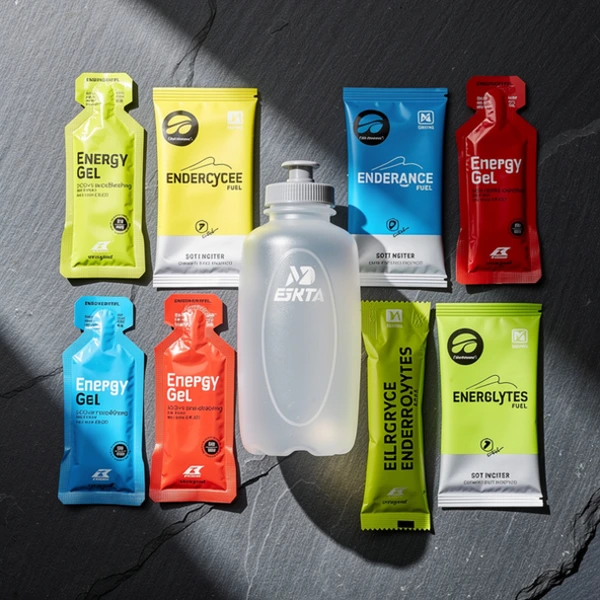
When runners hit the wall at Mile 20 of a marathon, it’s not mental. Your body stores only about 2,000 calories of glycogen. That’s enough fuel for roughly 90 to 120 minutes of running. Once those fuel tanks run dry, your pace stalls unless you take in carbs on the run.
Modern energy gels deliver fast fuel straight to your muscles. They save your stomach from digesting solid food while your heart rate is high. But taking the wrong gel can trigger sudden cramps or pit stops. In this energy gel review and race fueling guide, we break down the top race-tested energy gels for 2026.
Master Comparison Table: Top Running Energy Gels at a Glance
The comparison table below evaluates each energy gel’s carbohydrate payload, gastric absorption technology, electrolyte profile, and price tier:
| Model | Product & Award | Key Spec / Category | Tier | Action |
|---|---|---|---|---|

|
Best Overall Pick / Gold Standard Hydrogel for Sensitive Stomachs Maurten Gel 100 |
25g Carbohydrates | 100 Calories | 1:0.8 Fructose:Glucose | Biopolymer Hydrogel Matrix | $$$ | Check Price » |
|
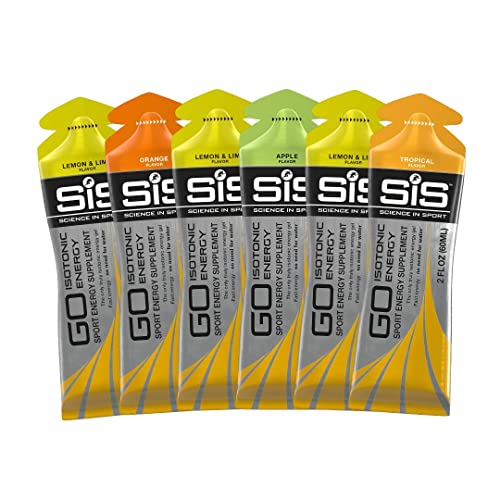
Best Fluid Isotonic Gel / Easiest to Take Without Water Science in Sport (SiS) GO Isotonic Gel |
22g Carbohydrates | 87 Calories | True Isotonic Osmolality | Thin Drinkable Texture | $$ | Check Price » |
|
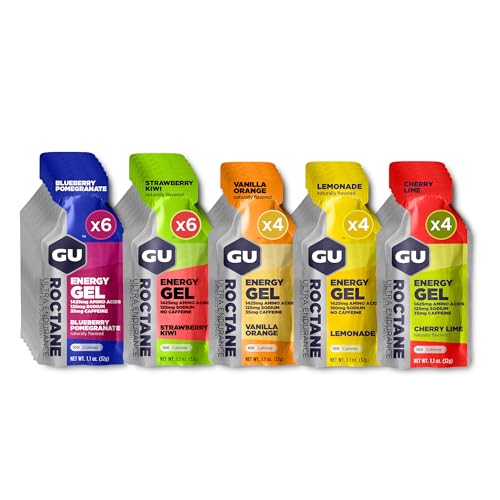
Best High-Sodium & Amino Acid Formulation for Marathon Distance GU Roctane Energy Gel |
21g Carbohydrates | 100 Calories | 125mg-180mg Sodium | 1425mg Branched-Chain Amino Acids | $$ | Check Price » |

|
Best 30g High-Carb Ratio for Dialed Race Nutrition Math Precision Fuel & Hydration PF 30 |
30g Carbohydrates | 120 Calories | 2:1 Glucose:Fructose | Mild Neutral Flavor | $$$ | Check Price » |

|
Best Real-Food Chia Seed Gel / Gentle Natural Digestion Huma Chia Seed Energy Gel |
21g-25g Carbohydrates | 100 Calories | Finely Milled Chia Seeds | Real Fruit Puree | $$ | Check Price » |

|
Best Natural Honey & Quick-Release Fuel for Shorter Runs Honey Stinger Organic Honey Gel |
24g Carbohydrates | 100 Calories | USDA Certified Organic Honey | Natural Electrolytes | $ | Check Price » |
🏃 Footwear & Stride Notes: The Gut Training Rule — How to Absorb 60–90g of Carbs Without GI Distress
Don’t wait until race morning to test your nutrition plan. That’s the single biggest mistake runners make. Your stomach is an adaptable organ just like your legs. You’ve got to train your gut to handle dense carbs under race stress. When you run hard, blood leaves your stomach to feed your quads. That slows down digestion. To absorb 60 to 90 grams of carbs each hour on marathon day, practice early. Start fueling on your weekly long runs 8 to 10 weeks out. Begin with 30 grams per hour and build up slowly. That simple habit trains your gut transporters. You’ll avoid mid-race cramps and stomach sloshing.
In-Depth Energy Gel Reviews & Performance Analysis
Our endurance testing team analyzed dozens of nutritional sachets on weekend long runs, tempo workouts, and marathon courses. Below are our in-depth evaluations of the top 6 energy gels for 2026:
Maurten Gel 100
Price Tier: $$$ | Key Spec: 25g Carbohydrates | 100 Calories | 1:0.8 Fructose:Glucose | Biopolymer Hydrogel Matrix
When elite marathoners cross the finish line without stomach cramps, chances are they fueled with Maurten Gel 100. Rather than blending simple sugar syrups with water, Maurten uses an alginate-pectin hydrogel matrix. This microscopic gel structure traps maltodextrin and fructose inside an organic capsule. It bypasses stomach acid sensors and moves straight into the small intestine where your body absorbs it. That translates into zero sloshing, zero bloating, and zero stomach cramps on race day.
Marathoners who have suffered through stomach blowouts with traditional syrups praise Maurten as a race-day lifesaver. Athletes note that while the jello-like texture feels unusual at first, it washes down cleanly without leaving a sticky coating. Because Maurten contains no added acids or chemical flavors, it never triggers heartburn during hot, humid races.
✓ What Works Well
- Patented biopolymer hydrogel encapsulates carbohydrates, slipping through the stomach to prevent GI distress
- Optimized 1:0.8 fructose-to-glucose ratio maximizes intestinal transporter absorption up to 90g-100g per hour
- Clean, neutral sweetness with zero artificial colorants, synthetic chemical flavors, or stomach-irritating acids
⚠ What to Keep in Mind
- Firm, gelatinous texture requires swallowing in a bite rather than sipping like traditional syrups
- Higher price per sachet makes it an investment best reserved for key long runs and race day
Bottom Line: The undisputed benchmark in modern sports fueling, delivering high-density carbohydrates through stomach-safe hydrogel technology that keeps your gut calm at any pace.
Science in Sport (SiS) GO Isotonic Gel
Price Tier: $$ | Key Spec: 22g Carbohydrates | 87 Calories | True Isotonic Osmolality | Thin Drinkable Texture
Taking a gel while breathing hard shouldn’t feel like choking down viscous cake frosting. Science in Sport (SiS) solved this dilemma by making the world’s first truly isotonic gel. Because its molecular concentration matches your body fluids, the SiS GO Isotonic Gel needs zero extra water to digest. It flows down like flavored water and absorbs quickly without drawing fluid into your gut. That means you can take it anywhere on the course without hunting for an aid station.
Road runners praise SiS for eliminating the mid-run panic of needing water to wash down a sticky gel. Runners note that its light, watery texture is easiest to consume when your heart rate is maxed out and your mouth is dry. The 60ml foil packet is slightly longer than compact gels, but athletes find the frictionless swallow well worth the size.
✓ What Works Well
- Truly isotonic formulation matches cellular osmotic pressure, requiring zero supplemental water to digest
- Exceptionally thin, fluid consistency swallows effortlessly while breathing hard at threshold paces
- Subtle, refreshing fruit flavors that don’t overwhelm tired taste buds in hot weather
⚠ What to Keep in Mind
- Larger 60ml physical pouch size takes up more space in shorts pockets or race belts
- Lower carbohydrate concentration (22g) requires carrying slightly more sachets per hour
Bottom Line: The gold standard for runners who hate thick, sticky gels and want instant carbohydrate delivery without relying on race-course water cups.
GU Roctane Energy Gel
Price Tier: $$ | Key Spec: 21g Carbohydrates | 100 Calories | 125mg-180mg Sodium | 1425mg Branched-Chain Amino Acids
Past Mile 18 of a marathon, your muscles need more than simple sugars—they need electrolytes and amino acid defense. GU Roctane is engineered for high-mileage demands. It packs up to 180mg of sodium and 1425mg of branched-chain amino acids (BCAAs) into a compact 32g packet. The sodium maintains blood plasma volume to ward off painful muscle cramps. Meanwhile, the amino acids serve as supplementary fuel to prevent muscle fatigue during the grueling final miles of your race.
Marathon runners swear by Roctane for hot-weather races where sweat rates skyrocket. The heavy electrolyte kick noticeably staves off late-race calf twitches and quad stiffness. Runners emphasize that because of its dense texture, you must wash each packet down with 3 to 4 ounces of water. Athletes report the compact sachets slip easily into race belts without bulk.
✓ What Works Well
- Fortified with triple the sodium of standard gels to combat cramping and hyponatremia on hot days
- Loaded with 1425mg of branched-chain amino acids (BCAAs) to reduce central muscle fatigue and speed recovery
- Compact, durable foil packet slides effortlessly into any split-short waistband or bra pocket
⚠ What to Keep in Mind
- Traditional viscous maltodextrin/fructose syrup demands several ounces of water to swallow comfortably
- High mineral and electrolyte concentration gives certain flavors a distinctly salty undertone
Bottom Line: An indispensable high-electrolyte power pack designed for hot marathon miles, heavy sweaters, and athletes needing advanced cramp prevention.
Precision Fuel & Hydration PF 30
Price Tier: $$$ | Key Spec: 30g Carbohydrates | 120 Calories | 2:1 Glucose:Fructose | Mild Neutral Flavor
Precision Fuel PF 30 was designed to simplify race nutrition math. Most conventional gels provide irregular carb counts like 19g or 23g. The PF 30 delivers exactly 30 grams of dual-source carbs in a 2:1 glucose-to-fructose ratio. Hitting the marathon target of 60 to 90 grams per hour is as simple as taking two or three gels every 60 minutes. Its texture sits in the sweet spot between watery fluids and thick pastes, delivering smooth swallowability without frantic gulps of water.
Marathon runners and athletes praise PF 30 for its neutral taste that never overwhelms the palate. Runners note that unlike candy-like gels that make you dread taking your fifth packet, PF 30 goes down smoothly from Mile 1 to Mile 26. Athletes love the sturdy foil tear tab that stays attached so you won’t drop litter on roads or trails.
✓ What Works Well
- High-density 30g carbohydrate payload makes hourly fueling math simple (2 gels = 60g, 3 gels = 90g)
- Extremely mild, neutral flavor profile prevents taste fatigue across 3+ hours of continuous running
- Smooth, medium-viscosity consistency swallows easily with minimal water intake
⚠ What to Keep in Mind
- Plain, semi-sweet flavor may feel boring for runners who prefer bold fruity flavors
- Higher price per unit reflects its premium endurance racing formulation
Bottom Line: The thinking runner’s fueling choice, offering perfect 30g increments and an ultra-clean neutral taste that eliminates flavor fatigue on long training days.
Huma Chia Seed Energy Gel
Price Tier: $$ | Key Spec: 21g-25g Carbohydrates | 100 Calories | Finely Milled Chia Seeds | Real Fruit Puree
If your stomach hates synthetic syrups and artificial flavors, Huma Chia Gel is the whole-food answer. Inspired by the Tarahumara runners of Mexico, Huma blends real fruit puree, cane juice, brown rice syrup, and finely milled chia seeds. Soluble fiber in chia forms a natural gel that regulates carb release. You get steady energy rather than a sharp spike followed by a sugar crash. It tastes like real homemade fruit puree rather than lab chemicals.
Runners who suffer from stomach cramps with standard gels call Huma the gentlest fuel on the market. Athletes compare the mouthfeel to a smooth fruit jam that goes down without sticking to your throat. Real food flavors like strawberry and lemonade taste authentic, making it a favorite for trail runs and long training days.
✓ What Works Well
- Made with real fruit purees and finely milled chia seeds that provide gentle, slow-release carbohydrate absorption
- High natural water content creates a smooth, easy-to-swallow fruit smoothie texture
- 100% natural, vegan, and gluten-free ingredients that are gentle on ulcer-prone and sensitive bellies
⚠ What to Keep in Mind
- Contains small amounts of dietary fiber from chia seeds, which may not suit athletes requiring zero-fiber race nutrition
- Slightly lower instant glycemic spike compared to pure maltodextrin formulations
Bottom Line: The premier whole-food energy gel on the market, combining real fruit puree and finely milled chia seeds for runners who prioritize natural, gentle digestion.
Honey Stinger Organic Honey Gel
Price Tier: $ | Key Spec: 24g Carbohydrates | 100 Calories | USDA Certified Organic Honey | Natural Electrolytes
For runners who want clean carbs without synthetic additives, Honey Stinger Organic Gel harnesses honey’s natural power. Honey is nature’s original endurance gel. It features a natural mix of fructose and glucose that breaks down rapidly for an instant kick of energy. Enriched with potassium and sodium, Honey Stinger delivers 24 grams of carbs in a smooth honey syrup that lifts your legs when energy reserves flag.
Runners love Honey Stinger for its familiar, comforting taste that avoids the bitter aftertaste of artificial sweeteners. Many athletes praise it as the ideal fuel for 5Ks, 10Ks, and half-marathon training where a fast carb boost is needed. In cold winter weather, runners recommend keeping the packets close to your body in a warm pocket so the honey flows freely.
✓ What Works Well
- Pure organic honey provides a balanced blend of natural glucose and fructose for immediate energy surges
- Certified USDA Organic, Non-GMO, and gluten-free with zero synthetic chemical stabilizers
- Highly accessible price point makes it an affordable option for weekly tempo runs and weekend mileage
⚠ What to Keep in Mind
- Distinct honey sweetness can feel intensely sweet in hot summer weather
- Can stiffen slightly in near-freezing winter temperatures, requiring pre-warming in a pocket
Bottom Line: An affordable, USDA-certified organic honey fuel that delivers rapid, natural energy and fantastic taste without artificial chemistry.
🏃 Footwear & Stride Notes: Race Morning Timing & The Caffeine Cutoff Strategy
A clean fueling plan starts before the starting gun fires. Take your first non-caffeinated gel about 15 minutes before the start. That tops off liver glycogen without an insulin spike. It gives your legs immediate energy for the first 5 miles. For caffeinated gels, stick to the two-thirds rule. Use plain gels early in the race. Save caffeinated packs for the final 8 to 10 miles. Caffeine takes 45 to 60 minutes to peak in your blood. Taking it late sharpens your focus right when fatigue hits your splits.
Also Considered: Other Energy Gels We Evaluated
Our six top picks strike the best balance of energy delivery, stomach comfort, and convenience. But we also evaluated several other popular energy gels that missed our main podium:
Why it missed the cut: A classic aid-station pick with organic carbs and a leash tab. However, its thick syrup stiffens in cold air and takes big gulps of water to swallow comfortably.
Why it missed the cut: Features a dialed 2:1 carb ratio and 30 grams of fast fuel per packet. But the thin fluid can feel watery in your belly, and the higher price per pack adds up fast.
Why it missed the cut: Packs 24 grams of real-fruit carbs and 110 mg of sodium with NSF sport testing. It works well on easy runs. But the dense fruit puree coats your mouth during hard efforts, and the heavy sweetness can trigger palate fatigue by Mile 20.
Why it missed the cut: Gentle on sensitive stomachs and easy to buy in bulk jugs. But standard packs have almost no sodium, forcing you to carry salt pills on hot runs.
Why it missed the cut: A hit with trail runners for its real-food apple puree and maple syrup flavor. But the thick puree takes effort to chew, and past carb labeling issues led road runners back to Maurten.
Energy Gel Playbook: 5-Pillar Race Nutrition Guide
Dialing in your race nutrition isn’t tricky once you know how your gut works on the run. Follow this 5-pillar guide so you won’t have to guess on race day.
1. Carbohydrate Ratios, Osmolality & Hydrogel Physics
Your gut uses specific transporters to carry carbs into your blood. The SGLT1 transporter handles glucose and maltodextrin. But it caps out at about 60 grams per hour. If you’ve ever tried forcing down more glucose than that, you know the heavy, bloated feeling of a digestive jam. To absorb more carbs safely, modern gels add fructose. Fructose relies on a different cellular gate called GLUT5.
Pairing maltodextrin and fructose in ratios from 2:1 to 1:0.8 lets you absorb 90 grams of carbs or more per hour. That sends up to 50% more usable fuel to your legs. Leading brands like Maurten and Precision Fuel PF 30 also use hydrogel tech. Natural alginate wraps the sugars into a protective gel. This shields your stomach from concentrated sugar shock. It keeps fluid in your bloodstream and stops mid-race bathroom trips.
2. Runner Archetype & Distance Fueling Matrix
Your fueling needs change based on your race distance and time on feet:
- 5K to 10K Races (Under 60 Minutes): For efforts under an hour, baseline muscle glycogen is plenty. Gels taken mid-race don’t help much and can upset your stomach. If you haven’t eaten breakfast, take one gel like Honey Stinger 15 minutes before the start. That’s all you’ll need.
- Half Marathon (60 to 120 Minutes): Running fast for one to two hours burns through glycogen quickly. Aim for 30 to 45 grams of carbs per hour. Take one gel near Mile 4 and a second around Mile 8. Drinkable gels like SiS GO Isotonic work great here because you don’t need water stations.
- Full Marathon & Ultras (2+ Hours): The marathon is a pure carb test. You’ll need at least 60 grams of carbs per hour. That means one 30g gel every 25 to 30 minutes. If your gut is trained, build up to 90 grams. High-sodium packs like GU Roctane and stomach-safe hydrogels like Maurten Gel 100 shine brightest in the final 10K.
3. Sizing, Gut Training & Gastric Emptying Protocols
Runner’s trots and stomach distress happen when thick sugar sits trapped in your gut. When you run hard, blood rushes to your legs instead of your digestive tract. That slows gastric emptying down to a crawl.
To keep fuel moving, train your stomach during your training block. During any run longer than 75 minutes, practice taking gels on the move. Your gut will learn to absorb carbs under stress. Always wash down thick syrups like GU or Honey Stinger with 3 to 4 ounces of plain water. Never wash them down with sugary sports drinks, which creates a sticky paste in your belly. If you prefer to run hands-free without a water flask, stick to true isotonic gels or hydrogels.
4. Price-Tier Reality Check ($, $$, $$$, $$$$)
Understanding gel pricing helps you balance training costs with race-day performance:
- Entry-Level Natural Fuel ($): Simple honey-based or fruit-syrup gels like Honey Stinger offer clean, organic carbs at a modest cost. They don’t hurt your wallet and work well for everyday training miles.
- Core Performance & High-Electrolyte Tier ($$): This bracket includes marathon favorites like GU Roctane, SiS GO Isotonic, and Huma Chia. You get extra sodium, amino acids, or drinkable fluids that power heavy marathon training blocks without trouble.
- Elite Hydrogel & Precision Ratio Tier ($$$): Flagship formulas like Maurten Gel 100 and Precision Fuel PF 30 sit at the top. They feature patented hydrogel biopolymers, dialed 2:1 ratios, and clean flavors. You won’t face sugar nausea or stomach cramps on race morning.
5. Sideline Longevity, Sticky Hands & Footwear Synergy
Fueling on the road takes good habits so you don’t drop sticky packets on the course:
Packet Storage & Trash Habits: Tuck your gels into waistband pockets, short loops, or a race vest. Look for packs with leashed tear tabs like Precision Fuel that stay attached after opening. Never toss trash on the road or trail—pack empty wrappers in a pocket or drop them in aid station trash bins.
Footwear Synergy: Smart fueling works hand-in-hand with your running shoes. On 20-mile long runs, pairing steady carb intake with road shoes that meet World Athletics technical shoe compliance and stack height rules protects your joints and keeps your legs fresh. Check out our top footwear picks in our guide to the best running shoes for beginners.
Frequently Asked Questions (FAQ)
How often should I take an energy gel during a marathon?
Most runners take one energy gel every 25 to 45 minutes during a marathon. That depends on the carb count per packet and how well your stomach handles food. The general rule is 30 to 60 grams of carbs per hour for novice runners, and 60 to 90 grams per hour for experienced runners with trained guts.
Do I always need to drink water when taking an energy gel?
For thick syrups like GU Roctane or Honey Stinger, yes. Always drink 3 to 4 ounces of plain water to help your stomach empty. But drinkable isotonic gels like SiS and hydrogels like Maurten don’t need extra water. That makes them easy to take when you’re far from a water stop.
Why do energy gels upset my stomach, and how can I fix it?
Stomach distress happens when high sugar levels draw water into your bowel, causing cramps or nausea. To fix this, practice taking gels on weekly long runs to train your gut. You can also switch to an alginate hydrogel like Maurten, and make sure to drink plain water instead of sugary drinks with thick gels.
What is the difference between isotonic gels and hydrogels?
Isotonic gels have a thin, watery texture that matches the osmotic balance of human blood. They absorb immediately without needing extra water. Hydrogels use natural alginate and pectin to trap sugars inside a gel matrix. This protects your stomach lining until the carbs enter your small intestine.
When should I use caffeinated energy gels?
Caffeine stimulates your brain and lowers perceived effort. It takes roughly 45 to 60 minutes to peak in your blood. For best results, use non-caffeinated gels for the first two-thirds of the race. Then take caffeinated packs for the final 8 to 10 miles to fight mental fog and protect your pace.