
Starting a running routine is one of the best habits for your long-term health. But nothing stops motivation faster than shin splints, blisters, or sore knees from running in worn-out sneakers.
Walk into a shoe store or shop online, and technical terms can feel confusing. Many beginners pick whatever sneaker looks cool on a shelf. But casual street sneakers lack the heel stability, arch support, and shock protection needed for road running. If you don’t have the right shoes under your feet, you’ll feel every hard bump in the pavement.
In this beginner running shoe review, our staff evaluated the top daily trainers of 2026. We compared cushion, heel support, and road durability across hundreds of miles. Whether you want dependable daily cushion, deep maximalist foam, or wide widths for broad feet, here are the best running shoes for beginners ranked.
| Model | Product & Award | Key Spec / Category | Tier | Action |
|---|---|---|---|---|

|
Best Overall Pick for Beginners / Most Reliable Daily Trainer Brooks Ghost 18 (Men’s & Women’s) |
DNA LOFT v3 Nitrogen Foam | 12mm Drop | Men’s & Women’s Lasts (Medium, Wide) | $$$ | Check Price » |

|
Best Plush Maximalist Cushion for Joint Protection Hoka Clifton 11 (Men’s & Women’s) |
Compression-Molded EVA Midsole | 5mm Drop | Early-Stage Meta-Rocker | M & W Lasts (Regular & Wide) | $$$ | Check Price » |

|
Best Energetic Bounce & Fun Trampoline Feel Asics Novablast 6 (Men’s & Women’s) |
FF BLAST PLUS ECO Foam | 8mm Drop | Trampoline Outsole Pod | Gender-Tuned Durometers | $$$ | Check Price » |

|
Best All-Around Workhorse for Road & Treadmill Nike Pegasus 42 (Men’s & Women’s) |
ReactX Foam + Dual Zoom Air Units | 10mm Drop | Waffle Rubber Outsole | M & W Lasts | $$$ | Check Price » |

|
Best Responsive Rebound & Seamless Transition Saucony Ride 19 (Men’s & Women’s) |
Upgraded PWRRUN+ Beaded TPU Foam | 8mm Drop | Engineered Mesh Upper | Regular & Wide Lasts | $$$ | Check Price » |
|
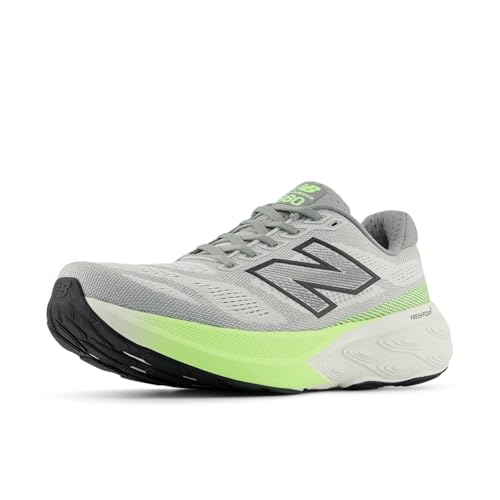
Best Stable Neutral Platform for Wider Feet New Balance Fresh Foam X 880 v15 (Men’s & Women’s) |
Dual-Density Fresh Foam X | 8mm Drop | Ndurance Rubber Outsole | Narrow to Extra-Wide 4E | $$$ | Check Price » |
🏃 Footwear & Stride Notes: The Golden Beginner Rule: Why Cushion & Heel Drop Trump Superfoams
When starting out, buying flashy carbon racing shoes is tempting. In practice, that’s one of the fastest ways to get a calf strain or plantar fasciitis. Racing super-shoes have unstable rockers and minimal heel counters. They’re built for elite athletes with fast biomechanics. When you’re beginning, your foot and calf muscles haven’t yet built the strength to stabilize those aggressive soles. What you need is a dependable trainer with a supportive heel counter, protective foam, and a moderate heel-to-toe drop (between 8mm and 12mm). A moderate drop gently shifts impact away from vulnerable calves and Achilles tendons while you build your aerobic base. Save the racing super-shoes for race day—you’ll keep your body far healthier by starting with reliable daily cushion!
In-Depth Shoe Reviews & Road Testing Analysis
Each running shoe below was evaluated across five key factors: shock absorption, step-in comfort, heel lockdown, road traction, and foam durability. Here is how the top daily trainers perform on the road:
Brooks Ghost 18 (Men’s & Women’s)
Price Tier: $$$ | Key Spec: DNA LOFT v3 Nitrogen Foam | 12mm Drop | Men’s & Women’s Lasts (Medium, Wide)
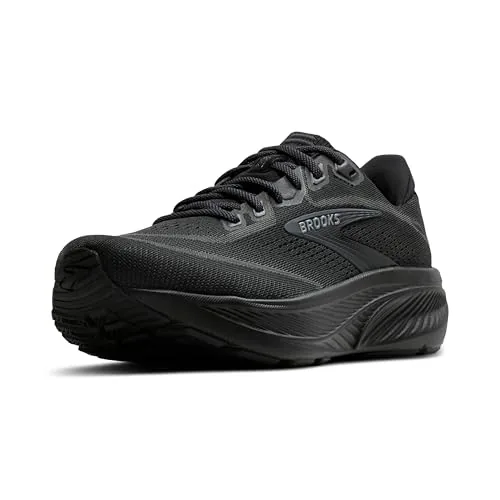
If you are taking your first steps into a running routine or training for your first 5K, the Brooks Ghost 18 is the gold-standard benchmark in neutral road footwear. Upgraded with nitrogen-infused DNA LOFT v3 foam, it delivers a softer, lighter step-in feel while preserving the stable ride that beginner runners rely on. Its classic 12mm heel drop is exceptionally forgiving for newer athletes. It shifts ground impact force away from tight calf muscles and Achilles tendons directly into the substantial rear crash pad. You get a steady, predictable transition that lets you focus on cadence and breathing instead of fighting your shoes.
Runners logging early miles in the Ghost 18 consistently praise its out-of-the-box comfort, noting zero hot spots or blister risk during break-in. Female athletes appreciate that Brooks builds the women’s model on an anatomically narrower heel cup to prevent slipping. Male owners with broader feet point out that the standard toe box accommodates natural toe splay, while the segmented rubber outsole easily survives 400 miles of daily asphalt pounding.
✓ What Works Well
- Nitrogen-infused DNA LOFT v3 cushioning delivers a lighter, softer, and more durable ride than older EVA foams
- Classic 12mm heel-to-toe drop takes mechanical strain off tender Achilles tendons and calf muscles
- Offered in dedicated Men’s and Women’s anatomical lasts across Narrow, Medium, and Wide width profiles
⚠ What to Keep in Mind
- High 12mm heel drop feels slightly bulky for midfoot or forefoot speed workouts
- Traditional conservative ride prioritizes steady consistency over snappy race-day bounce
Bottom Line: The undisputed benchmark daily trainer for beginners who want dependable nitrogen cushioning, foolproof durability, and a forgiving 12mm heel drop.
Hoka Clifton 11 (Men’s & Women’s)
Price Tier: $$$ | Key Spec: Compression-Molded EVA Midsole | 5mm Drop | Early-Stage Meta-Rocker | M & W Lasts (Regular & Wide)
If joint protection, knee comfort, or hard asphalt soreness is your top concern as a new runner, the Hoka Clifton 11 provides maximalist relief. Building on Hoka’s thick-midsole design, the Clifton 11 packs a deep stack of responsive compression-molded EVA that absorbs heavy road vibration before it reaches your legs. What makes it especially intuitive for beginners is the curved Meta-Rocker sole. Instead of requiring you to forcefully push off your toes, the rockered geometry guides your stride smoothly forward like a rocking chair, cutting down leg fatigue on your final mile.
Runners and walkers prone to shin splints love the Clifton 11, reporting that its pillowy foam keeps aching knees calm over longer road workouts. Female runners praise the plush Achilles collar bevel that completely stops heel rubbing. Owners with wider feet consistently recommend choosing the wide sizing because the midfoot curves inward, while long-term athletes confirm the foam resists packing out prematurely.
✓ What Works Well
- Deep stack of updated compression-molded EVA shields knee and hip joints from hard asphalt pounding
- Signature early-stage Meta-Rocker rolls your foot effortlessly through each stride like a rocking chair
- Surprisingly lightweight for a maximalist silhouette, preventing heavy legs during the final mile
⚠ What to Keep in Mind
- Low 5mm drop asks slightly more work from your Achilles tendons during early adaptation
- High foam sidewalls can feel snug along the arch for runners with flat feet
Bottom Line: The premier maximalist cushioned trainer for beginners wanting cloud-like joint protection and effortless rolling momentum across hard pavement.
Asics Novablast 6 (Men’s & Women’s)
Price Tier: $$$ | Key Spec: FF BLAST PLUS ECO Foam | 8mm Drop | Trampoline Outsole Pod | Gender-Tuned Durometers
Running can feel like strenuous labor when building early aerobic fitness. The Asics Novablast 6 is engineered to make every stride feel light, springy, and fun. Built with bio-based FF BLAST PLUS ECO foam and sculpted geometric sidewalls, it features an energized trampoline-style pod under the forefoot. When your foot strikes the ground, the center pod compresses and rebounds forward into your next stride. It provides snappy turnover without sacrificing the deep protective shock dampening you need for everyday conditioning.
Beginner runners and local 5K runners rave about the Novablast 6’s springy personality, saying it turns sluggish morning jogs into bouncy, enjoyable workouts. Women runners love that Asics tunes the female foam durometer slightly softer, giving lighter athletes full trampoline rebound. Owners report that the breathable jacquard mesh upper ventilates heat well, though mild overpronators should stick to flat paved routes.
✓ What Works Well
- FF BLAST PLUS ECO midsole delivers an energetic, springy trampoline sensation that makes running fun
- Balanced 8mm drop accommodates heel, midfoot, and forefoot strikers equally well
- Gusseted tongue wing construction locks down the midfoot securely to prevent internal sliding
⚠ What to Keep in Mind
- Lively bounce can feel unstable for runners who severely overpronate without guidance
- Higher stack height requires mindful foot placement on uneven sidewalks or cracked asphalt
Bottom Line: The most energetic daily trainer in our lineup for new runners who want an exciting, trampoline-like bounce that puts joy into every mile.
Nike Pegasus 42 (Men’s & Women’s)
Price Tier: $$$ | Key Spec: ReactX Foam + Dual Zoom Air Units | 10mm Drop | Waffle Rubber Outsole | M & W Lasts
Now in its fifth decade of continuous production, the Nike Pegasus 42 remains the classic benchmark trainer for road runners and gym enthusiasts alike. Nike powers the shoe with high-rebound ReactX foam, delivering snappy energy return while reducing manufacturing emissions. Embedded inside the foam are dual pressurized Zoom Air bags—one under the forefoot and one under the heel for crisp pop. Paired with Nike’s signature waffle rubber outsole, it transitions smoothly from wet asphalt to indoor gym treadmills.
Everyday athletes and beginners love the Pegasus 42 for its versatile utility, praising its firm, connected road feel during mixed treadmill and road runs. Owners consistently note that the waffle rubber outsole outlasts almost every competitor, routinely passing 500 road miles. Testers with wider feet emphasize going up a half size to accommodate Nike’s snug midfoot fit.
✓ What Works Well
- Upgraded ReactX foam delivers 13% more energy return with a reduced carbon footprint
- Dual Zoom Air units (heel and forefoot) provide snappy, responsive toe-off pop
- Legendary waffle rubber outsole delivers bulletproof traction across wet pavement and gym treadmills
⚠ What to Keep in Mind
- Firm, connected road feel offers less pillow-like softness than maximalist options like Hoka
- Traditional narrow Nike toe box requires wide-footed runners to size up half a size
Bottom Line: The ultimate versatile workhorse for beginners who want a responsive, durable daily trainer that excels on road pavement, gym treadmills, and track intervals.
Saucony Ride 19 (Men’s & Women’s)
Price Tier: $$$ | Key Spec: Upgraded PWRRUN+ Beaded TPU Foam | 8mm Drop | Engineered Mesh Upper | Regular & Wide Lasts
If you want a daily trainer that pairs pillowy step-in comfort with resilient, long-lasting energy return, the Saucony Ride 19 hits the sweet spot. Saucony builds the Ride 19 with full-length PWRRUN+ beaded TPU foam. Unlike traditional EVA midsoles that pack down and lose their spring after two months of road pounding, beaded TPU retains its lively bounce across hundreds of miles and won’t stiffen up in freezing weather. Its balanced 8mm drop keeps your knees and ankles aligned through every phase of your gait.
Midpack runners and beginners love how smooth and balanced the Ride 19 feels underfoot, noting that it never feels sluggish on tired legs. Women praise the plush tongue and collar padding for eliminating lace bite across the instep. Athletes also point out that the beaded TPU feels just as soft on cold winter mornings as it does during summer workouts.
✓ What Works Well
- Full-length PWRRUN+ beaded TPU foam delivers consistent, temperature-resistant rebound in summer heat and winter cold
- Natural 8mm drop and beveled heel rocker encourage a balanced, efficient stride turnover
- Exceptionally plush tongue and heel collar create an inviting, blister-free step-in fit
⚠ What to Keep in Mind
- Heavier than featherweight speed shoes, though perfectly balanced for daily conditioning
- Ride is smooth and steady rather than radically bouncy
Bottom Line: An exceptionally smooth-rolling daily trainer for runners seeking premium, temperature-resistant beaded foam comfort that holds its bounce all year.
New Balance Fresh Foam X 880 v15 (Men’s & Women’s)
Price Tier: $$$ | Key Spec: Dual-Density Fresh Foam X | 8mm Drop | Ndurance Rubber Outsole | Narrow to Extra-Wide 4E
Finding a comfortable running shoe can feel frustrating if you have wide feet, high arches, or bunions. The New Balance Fresh Foam X 880 v15 is built specifically for anatomical comfort. New Balance constructs the 880 v15 across four dedicated width profiles—from Narrow B and Standard D up to Wide 2E and Extra-Wide 4E. Underfoot, dual-density Fresh Foam X places plush, forgiving foam directly under your foot for impact comfort, backed by a firmer supportive compound underneath that provides stability without rigid plastic medial posts.
Wide-footed athletes and beginners with mild overpronation praise the 880 v15 as the most accommodating shoe they’ve worn. The roomy toe box lets toes spread naturally on impact, eliminating side rubbing and blister hot spots. Owners also note that the wide, stable base inspires great confidence on uneven sidewalks and light gravel paths.
✓ What Works Well
- Industry-leading width availability (Narrow, Standard, Wide 2E, Extra-Wide 4E) ensures a pain-free fit for every foot shape
- Dual-density Fresh Foam X construction pairs soft step-in cushion with a firmer, supportive base
- Heavy-duty Ndurance rubber outsole provides exceptional traction and resistance to road abrasion
⚠ What to Keep in Mind
- Substantial build makes it slightly heavier than minimalist trainers
- Conservative traditional styling focuses on comfort and function over flashy aesthetics
Bottom Line: The premier stable neutral trainer for athletes who need genuine wide-width sizing options, dual-density support, and bulletproof daily durability.
🏃 Footwear & Stride Notes: Breaking in Your First Pair & The 300-Mile Retirement Rule
How long should running shoes last? Unlike street sneakers, running shoes have a finite lifespan tied to foam degradation. Quality running shoes last 300 to 500 miles. However, the foam often loses shock dampening before the rubber outsole looks worn out. If you feel sudden knee aches, shin splints, or lower back tightness after your usual run, your midsole foam is likely compressed. It’s smart to track your mileage in an app like Strava or Garmin Connect. When your trainer approaches 350 miles, you’ll want to retire it to casual walking duty and bring in a fresh pair. Your knees and joints will thank you!
Also Considered: Other Popular Running Shoes We Evaluated
During our evaluation of road running footwear for beginner athletes, our coaching staff evaluated dozens of popular models from major manufacturers. While our top six recommendations represent the most versatile, joint-friendly, and durable daily trainers for new runners, several well-known shoes were closely evaluated before being edged out:
Why it missed the cut: While the GEL-Nimbus offers ultra-plush PureGEL step-in comfort, its ultra-soft sink-in heel and heavier weight can cause premature calf fatigue for new runners building baseline foot strength. The Novablast 6 and Ghost 18 provide far better stride support and energetic bounce for early 5K training.
Why it missed the cut: The Adrenaline GTS is an iconic stability shoe, but its GuideRails support system is built specifically for moderate-to-severe overpronators. If you have a neutral stride, the dense medial posting can feel intrusive and cause arch friction during long road miles; stick with the neutral Ghost 18 unless a running gait analysis confirms you need pronation control.
Why it missed the cut: The Bondi provides massive maximalist foam, but its towering 39mm+ stack height and ultra-wide base feel like running on platform stilts at beginner paces. The Clifton 11 delivers 90 percent of the plush joint protection with dramatically better agility, lighter weight, and a smoother rocker transition.
Why it missed the cut: Nike’s ReactX foam delivers comfortable road dampening, but the shoe features a noticeably snug midfoot fit and runs heavier than most modern daily trainers. For new runners seeking an all-around road and treadmill workhorse, the Pegasus 42 offers a more accommodating fit, dual Air Zoom units, and superior breathability.
Why it missed the cut: The Cloudmonster 2 brings bold urban style and comfortable walking cushioning, but its Helion superfoam rides noticeably firmer and stiffer on hard asphalt than beginners expect. In addition, the central CloudTec sole channel frequently traps loose road pebbles and driveway gravel during neighborhood runs.
Why it missed the cut: Featuring premium PWRRUN PB beaded foam, the Triumph 22 is a luxurious cruiser, but it sits in the premium price tier. For beginner athletes establishing their running cadence and weekly routine, spending top dollar is unnecessary when the Saucony Ride 19 offers exceptional daily versatility, lighter weight, and great road feel for a substantially lower investment.
Beginner Running Shoe Playbook: 5-Pillar Selection Guide
Before buying your first pair of road running shoes, check these five key pillars to match your shoes to your running needs:
1. Midsole Foam Types & Heel Drop Basics
The midsole is the shock-absorbing core of every running shoe. Under World Athletics technical shoe compliance and stack height rules, road running shoes must meet strict stack height and sole limits. Knowing what sits under your feet helps you avoid painful mistakes:
- Nitrogen-Infused & Beaded Foams (Brooks DNA LOFT v3 & Saucony PWRRUN+): Infusing nitrogen gas or fusing tiny TPU beads into foam creates bouncy gas pockets. They provide springy rebound, lighter weight, and great durability. They also stay soft in cold winter weather without packing down.
- Compression-Molded EVA (Hoka Clifton 10): Standard foam compressed into a deep, ultra-soft bed. It excels at shock absorption and joint protection, making it ideal for new runners dealing with impact soreness.
- Heel Drop Explained: Heel drop is the height gap between the heel stack and the forefoot stack, measured in millimeters. Standard drops (10mm to 12mm, like the Brooks Ghost 17 and Nike Pegasus 41) shift impact away from tight calves and Achilles tendons. That makes them the safest choice for beginners and heel strikers. Moderate drops (8mm, like the Saucony Ride 18 and Asics Novablast 5) offer a balanced stride. Low drops (5mm, like the Hoka Clifton 10) spread impact across the whole foot, but require a gradual break-in.
2. Runner Archetypes & Foot Strike Styles
Every runner lands on the road a bit differently. Knowing your foot strike helps you pick the right shoe family:
- Neutral Runners: Your foot lands on the outside of the heel, then rolls inward slightly to absorb shock before pushing off. Neutral runners do well in any daily trainer in this guide.
- Mild Overpronators (Flatter Arches): Your arch rolls inward too far upon landing, adding stress to ankles and knees. If your ankles lean inward, look for stable neutral shoes with broad base platforms (like the New Balance 880 v15) or see our guide to the best athletic shoes for flat feet.
- Heel Strikers: Over 80 percent of new runners land on their heels first. If you land on your heels, look for shoes with curved heel edges and thick rear crash pads (like the Brooks Ghost 17 and Nike Pegasus 41) to smooth out each footstep.
3. Sizing, Gender Lasts & The Half-Inch Rule
Running shoe fit is very different from casual sneakers or dress shoes:
The Half-Inch Rule: When you run, your feet swell as blood pumps into hard-working muscles. If your running shoes fit too snugly, you risk black toenails and blisters. Always leave a full thumbnail’s width (about half an inch) between your longest toe and the tip of the shoe while standing up. Most runners need to go up a half size from their casual shoe size.
Men’s vs. Women’s Lasts: Modern running shoes are built on gender-specific molds. Women’s models have narrower heel cups, higher instep curves, and slightly softer foam. If you are a woman with wide feet, trying a men’s standard (D width) shoe is a smart way to get extra forefoot space without slipping at the heel.
4. Price-Tier Reality Check: Budget ($$) to Nitrogen Flagships ($$$)
Quality road shoes fall into three distinct price categories based on foam materials and build quality:
- Entry-Level Value Tier ($$): Basic road shoes in this range offer simple EVA foam, basic mesh uppers, and solid rubber soles. They work well for short weekend jogs of 5 to 10 miles per week.
- Core Performance Flagship Tier ($$$): This sweet spot holds the top daily trainers featured here (Brooks Ghost 17, Hoka Clifton 10, Asics Novablast 5, Nike Pegasus 41, Saucony Ride 18). You get nitrogen-infused foams, dual Air Zoom units, engineered mesh, and multi-width choices built to last 400 road miles.
- Elite Carbon Racing Tier ($$$$): These premium models feature stiff carbon plates and delicate race foams. They are built for race day PRs, but they are too stiff and fragile for everyday beginner training.
5. Daily Care, Rotation & Nutrition Basics
As your runs grow from short run-walk intervals to steady 3-mile loops, good habits protect your gear and your body:
Smart Fueling: When your weekend runs stretch past 60 minutes, your body burns through stored energy. Drinking water helps, but you also need easy carbs and electrolytes to avoid cramps. Pair your long runs with fuel from our guide to the best energy gels for running to keep your legs energized.
Shoe Care: Never toss running shoes in a washing machine or dryer. Heat and tumbling weaken midsoles and melt glue. If your shoes get dirty, remove the insoles, scrub gently with mild soap and cold water, and air-dry them stuffed with paper towels.
Frequently Asked Questions (FAQ)
Can I run in regular gym sneakers or walking shoes?
It is not wise. Gym sneakers and walking shoes are made for lateral agility or casual strolls. They lack the thick shock-absorbing foam, forward rockered soles, and rear crash pads needed to shield your joints from running impact forces.
How do I know if I need a wide-width shoe?
If your outer toes press against the shoe walls, or if you get hot spots on the sides of your feet, you likely need a wide build (D for women, 2E for men). Shoes like the New Balance 880 v15 and Brooks Ghost 17 offer wide sizes that let your toes splay naturally.
Should beginner runners buy carbon-plated shoes?
No. Carbon-plated shoes are rigid racing tools made for advanced runners with fast form. For beginners whose leg muscles are still adapting, stiff carbon plates put extra strain on calves and Achilles tendons. Stick to flexible, cushioned daily trainers first.
How many miles do beginner running shoes last?
Quality daily trainers last 300 to 500 miles. The midsole foam loses its bounce before the rubber tread looks worn down. If you run 10 miles each week, expect a pair of daily road shoes to provide solid support for about 9 to 12 months.