
Stepping onto the diamond with the wrong fielding glove is an immediate defensive handicap. A pocket that is too deep traps ground balls and costs infielders precious fractions of a second on double plays. A flimsy glove without palm padding leaves fingers throbbing against 90-mph line drives. Whether you are turning two at shortstop or chasing down fly balls in the gap, your glove has to function as an extension of your hand.
In this comprehensive baseball glove review and equipment guide, our Diamond Sports Desk evaluated top fielding gloves across high school, travel ball, and collegiate diamonds. We audited leather grain density, steerhide stiffness, web design, and break-in speed. Below are the best baseball gloves to sharpen your defense in 2026. You’ll find gloves that won’t break down midseason, whether you’re playing second base or patrolling center field. They’re built for players who care about leather that lasts. If you are upgrading your complete setup, pair your gear with our expert recommendations for the best catchers mitts, and check out our companion roundup of the best baseball bats.
| Model | Product & Award | Key Spec / Category | Tier | Action |
|---|---|---|---|---|

|
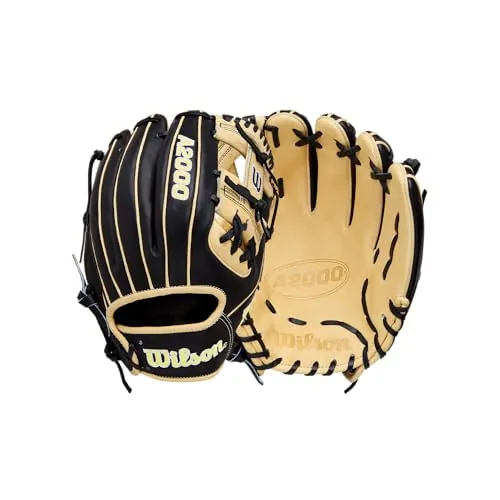
Best Overall Infield Pick Wilson A2000 1786 11.5″ Infield Baseball Glove |
11.5″ Infield Pattern | Pro Stock Steerhide | Classic I-Web | $$$$ | Check Price » |

|
Best Dedicated Outfield Pick Rawlings Heart of the Hide 12.75″ Outfield Baseball Glove |
12.75″ Outfield Pattern | Top 5% Steerhide | Pro H-Web / Deep Pocket | $$$$ | Check Price » |
|
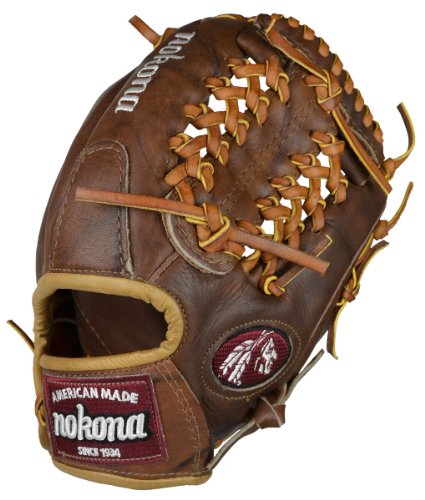
Best Handcrafted American Heirloom Nokona Classic Walnut 11.5″ Baseball Glove (WB1150-M) |
11.5″ Multi-Position | Walnut Crunch Steerhide | Modified Trap Web | $$$$ | Check Price » |

|
Best Value for High School & Travel Ball Mizuno MVP Prime 12″ Infield / Outfield Baseball Glove |
12.0″ Multi-Position | Bio Soft Steerhide | Tartan Web / Center Pocket | $$ | Check Price » |

|
Best for Middle School & Developing Players Rawlings R9 Series 11.75″ Baseball Glove (Pro H-Web) |
11.75″ Infield / Pitcher | All-Leather Shell | Pro H-Web / 80% Factory Break-In | $$ | Check Price » |

|
Best Budget Pick for Beginners Franklin Sports Field Master 11.5″ Baseball Glove |
11.5″ All-Position | Synthetic Leather | Contour Wrist Strap / Zero Break-In | $ | Check Price » |
🥎 Dugout & Diamond Notes: Infield Pockets vs. Outfield Depth: Match the Web to the Bag
The single most common mistake on the diamond is taking the wrong pocket depth to your position. Middle infielders need an 11.25 to 11.5-inch glove with an open I-web. You want a shallow, flat pocket that funnels the ball into your palm. That lets your throwing hand find the four-seam grip in a split second. If an infielder plays with a deep 12.75-inch outfield trap web, the ball gets swallowed in the leather. That turns a routine double play into a safe call. Outfielders need a deep H-web or trapeze pocket to keep running catches secure. Pitchers need closed two-piece webs so hitters can’t peek at pitch grips. Pick the leather that fits your role.
In-Depth Baseball Glove Reviews & Field Performance Analysis
Wilson A2000 1786 11.5″ Infield Baseball Glove
Price Tier: $$$$ | Key Spec: 11.5″ Infield Pattern | Pro Stock Steerhide | Classic I-Web
For middle infielders and third basemen demanding surgical control, lightning-quick ball transfers, and a pocket that refuses to collapse under scorching grounders, the Wilson A2000 1786 remains the premier infield benchmark across high school, collegiate, and MLB diamonds. Cut from Wilson’s proprietary rugged Pro Stock steerhide, the 1786 features dual welting—two strips of leather rolled along the back of each finger channel—which functions like an external skeleton to hold the pocket wide and open even after three seasons of daily infield drills. The shallow I-web pocket funnels hard hops directly to the base of your fingers rather than swallowing the ball deep inside the webbing, shaving critical fractions of a second off your transition when fielding backhand grounders or turning a quick 6-4-3 double play. Between the flat finger binding that protects exposed index fingers from sting and the moisture-wicking Comfort Pro palm lining, this glove acts like a natural biological extension of your fielding hand.
Varsity infielders and collegiate coaches praise the 1786 pattern for its immaculate balance and shallow pocket retention, though owners consistently note that out-of-the-box stiffness is serious. Breaking it in demands roughly two to three weeks of consistent mallet work, catch play, and pocket forming before it feels game-ready. Once molded, players report that the glove maintains its firm heel structure and crisp snap for multiple competitive seasons.
✓ What Works Well
- Iconic shallow middle infield pocket facilitates blisteringly fast transfer times on double-play turns
- Rugged Pro Stock American steerhide leather delivers unmatched structural longevity across multi-year varsity campaigns
- Dual Welting along back finger channels reinforces pocket shape retention through hundreds of innings
⚠ What to Keep in Mind
- Requires a dedicated multi-week break-in protocol before game readiness
- Top-tier investment price point geared toward serious competitive players
Bottom Line: The benchmark middle infield glove for competitive players seeking crisp transfer speeds, durable Pro Stock leather, and an immaculate shallow pocket that never folds.
Rawlings Heart of the Hide 12.75″ Outfield Baseball Glove
Price Tier: $$$$ | Key Spec: 12.75″ Outfield Pattern | Top 5% Steerhide | Pro H-Web / Deep Pocket
Tracking down deep drives at the warning track or sliding to snare sinking flare liners in the gap requires an outfield glove with expansive reach and a pocket that firmly traps high-velocity fly balls. The Rawlings Heart of the Hide 12.75-inch outfield glove (PRO3039 pattern) stands as the benchmark across college and Major League outfields. Crafted from the top 5% of world-renowned Horween-cured US steerhide, this glove provides the extended finger length and structural stiffness needed to snatch snow-cone catches over the outfield wall without finger flop. The deep Pro H-web design creates a cavernous ball cavity that absorbs flight momentum, completely eliminating ball pop-outs when tumbling to the turf. Inside the hand stall, a deer-tanned cowhide palm lining conforms naturally to your hand over time, while Tennessee Tanning Company rawhide laces reinforce the web against 100-mph line drives. If your game demands chasing down fly balls from gap to gap, this is the ultimate outfield vacuum.
Outfielders and varsity coaches rave about the PRO3039 pattern for its trustworthy deep pocket and elite reach, noting that fly balls nestle securely into the H-web without spinning out. Players emphasize that because of the thick 12.75-inch steerhide construction, out-of-the-box firmness is significant. Mold it with two or three weeks of regular mallet conditioning, weighted ball tosses, and batting practice tracking. Once broken in, ballhawks report that the glove holds its wide, gaping pocket shape for seasons on end.
✓ What Works Well
- Pro H-Web design expands pocket surface area to secure sinking liners and tracking fly balls at full sprint
- Crafted from the top 5% of world-renowned Horween-cured US steerhide leather for multi-season pocket stiffness
- Thermoformed moisture-wicking wrist pad and deer-tanned cowhide lining deliver exceptional hand stability
⚠ What to Keep in Mind
- Substantial 12.75″ leather frame requires patient break-in and strong wrist mechanics
- Pro-grade investment tier designed for varsity, collegiate, and elite travel ball ballhawks
Bottom Line: The definitive outfield weapon for serious ballhawks seeking pro-grade Horween steerhide, a deep Pro H-web pocket, and maximum reach on sinking liners and warning-track drives.
Nokona Classic Walnut 11.5″ Baseball Glove (WB1150-M)
Price Tier: $$$$ | Key Spec: 11.5″ Multi-Position | Walnut Crunch Steerhide | Modified Trap Web
In an era dominated by overseas mass manufacturing, Nokona stands entirely apart as America’s premier artisanal glove maker, hand-cutting, stamping, and lacing every piece in Nocona, Texas since 1934. The Classic Walnut WB1150-M is built from Nokona’s proprietary Walnut Crunch steerhide—a signature full-grain leather that carries a richer natural oil content than modern stiff kip leathers. This unique tannage delivers an intoxicating blend of old-school suppleness and heavy-duty grain strength, allowing the glove to break in noticeably faster than an ultra-stiff offshore Kip glove while conforming to the unique contours of your hand like an heirloom leather boot. The 11.5-inch pattern with a modified trapeze web conceals pitch grips brilliantly on the mound while providing sufficient pocket depth to secure hot line drives anywhere across the diamond. Slipping your hand into a Nokona connects you directly to nearly a century of pure American baseball craft.
Lifelong ballplayers and discerning parents consistently describe Nokona gloves as heirloom equipment that can easily be passed down across generations. Owners note that the Walnut Crunch leather softens into a game-ready pocket in about half the time required by a rigid Heart of the Hide, praising its velvety palm feel and natural leather aroma. Reviewers emphasize that applying Nokona Classic Leather Treatment twice per season prevents the rich hide from drying out in arid climates.
✓ What Works Well
- Proudly cut, stamped, and individually hand-stitched in Nocona, Texas since 1934
- Signature Walnut Crunch steerhide delivers a supple, pliable break-in with remarkable grain tensile strength
- Versatile Modified Trap web transitions cleanly between pitcher, infield, and utility assignments
⚠ What to Keep in Mind
- Requires careful seasonal leather conditioning to maintain optimal moisture balance
- Premium boutique pricing reflects domestic small-batch artisan manufacturing
Bottom Line: The ultimate choice for players and collectors who value authentic American handcrafted leather, rich Walnut Crunch suppleness, and an artisanal glove built to last decades.
Mizuno MVP Prime 12″ Infield / Outfield Baseball Glove
Price Tier: $$ | Key Spec: 12.0″ Multi-Position | Bio Soft Steerhide | Tartan Web / Center Pocket
For high school starters, travel ball standouts, and adult rec league veterans who want genuine pro-caliber leather without paying premier price points, the Mizuno MVP Prime is arguably the smartest value proposition on the baseball diamond. Mizuno constructs the MVP Prime using their acclaimed Bio Soft leather—a professional-style, oil-treated full-grain cowhide that provides the perfect middle ground between out-of-the-box pliability and firm structural backbone. Its Center Pocket Design naturally centers the sweet spot directly under the index finger, teaching young fielders proper two-handed receiving fundamentals. At 12 inches with a closed Tartan web, this versatile pattern transitions smoothly between third base, pitcher, and the outfield, allowing utility players to move easily across positions without purchasing multiple specialty gloves. Mizuno’s roll welting keeps finger edges smooth, eliminating friction blisters during long tournaments.
Coaches frequently recommend the MVP Prime as the best sub-premium glove for high schoolers making the leap from youth ball. Players love how easily it molds to their hand shape, reporting that a single week of catch play produces a firm, reliable pocket. Long-term owners note that while the finger lacing occasionally stretches after an intensive 40-game season, the leather itself resists cracking and holds its shape through summer heat.
✓ What Works Well
- Oil-treated Bio Soft full-grain leather balances professional structural feel with rapid break-in
- Center Pocket Designed patterns naturally position the sweet spot directly under the index finger
- Professional-level roll welting along the finger backs prevents pocket blowouts on deep catches
⚠ What to Keep in Mind
- Lacing will require periodic tightening after a full season of heavy competitive use
- 12-inch pattern is slightly large for pure second basemen who prefer ultra-shallow 11.25″ pockets
Bottom Line: The undisputed price-to-performance champion for high school and travel ball players who want genuine full-grain leather, an intuitive center pocket, and versatile multi-position utility.
Rawlings R9 Series 11.75″ Baseball Glove (Pro H-Web)
Price Tier: $$ | Key Spec: 11.75″ Infield / Pitcher | All-Leather Shell | Pro H-Web / 80% Factory Break-In
Making the transition from soft Little League tee-ball gloves to stiff adult leather can be an overwhelming leap for 11 to 14-year-old ballplayers who lack the forearm strength to squeeze rigid steerhide. The Rawlings R9 Series solves this exact developmental gap by combining a full-grain leather outer shell with an extensive 80% factory break-in process. Unlike cheap department store gloves that rely on fragile vinyl or paper-thin split cowhide, the R9 retains genuine leather structural integrity across the fingers and thumb. Inside the pocket, Rawlings embeds a high-density palm pad and a padded thumb loop that shield tender young palms from bone bruises when catching hard throws from the outfield. The 11.75-inch Pro H-Web pattern mirrors the exact defensive design used by Major League third basemen, giving developing athletes authentic pro styling with a comfortable, forgiving squeeze.
Parents of middle school and 12U/13U travel ball players consistently rate the R9 as a lifesaver, noting that kids can comfortably close the glove on day one without hand cramping. Reviewers appreciate the padded palm protection, which eliminates the fear of hand sting on cold spring mornings. Coaches observe that while the pocket softens significantly by season two, it provides the perfect bridge before investing in a high-end adult glove.
✓ What Works Well
- Full-grain leather shell with 80% factory break-in allows players to use it almost immediately
- Internal padded thumb sleeve and reinforced palm pad absorb line-drive shock effectively
- Contoured wrist opening accommodates narrower youth and middle school hand profiles
⚠ What to Keep in Mind
- Softer leather will lose firmness faster under intense college-level ball velocities
- Synthetic internal finger linings rather than full deer-tanned cowhide
Bottom Line: The premier transitional fielding glove for middle school and early high school athletes who need authentic leather feel, built-in palm padding, and an easy 80% factory break-in.
Franklin Sports Field Master 11.5″ Baseball Glove
Price Tier: $ | Key Spec: 11.5″ All-Position | Synthetic Leather | Contour Wrist Strap / Zero Break-In
Not every ballplayer stepping onto a baseball diamond needs a three-hundred-dollar handcrafted leather heirloom. For casual co-ed softball games, recreational league beginners, backyard father-son catch, or parents helping coach Little League practice, the Franklin Sports Field Master delivers immediate, no-nonsense utility at an unbeatable price point. Constructed from a pliable synthetic leather shell, the Field Master eliminates the need for mallet pounding, glove wraps, or conditioning oils—you can literally rip off the tags and start catching pop flies five minutes before first pitch. The glove features an adjustable contour wrist strap system that cinches down snugly on smaller youth wrists or opens wide for adult recreational hands. While it lacks the dense palm shock absorption required for 85-mph baseballs, it’s more than capable of handling recreational play with complete comfort.
Recreational players and casual parents praise the Field Master for its incredible convenience and out-of-the-box flexibility. Owners note that it closes with zero effort, making it ideal for younger kids who struggle to squeeze stiff gloves. Experienced coaches point out that while the synthetic material shows wear after a full season of heavy use, it represents extraordinary value for introductory ball.
✓ What Works Well
- Soft synthetic leather shell requires absolutely zero break-in time or conditioning oils
- Customizable contour wrist strap adjusts easily for youth, teen, and adult wrist circumferences
- Ultra-accessible budget price point makes it an ideal backyard catch and entry-level league pick
⚠ What to Keep in Mind
- Synthetic polyurethane material won’t hold a rigid pocket against high-velocity varsity baseballs
- Lacks internal padding for absorbing hard throws or screaming line drives
Bottom Line: An effortless, ultra-affordable synthetic glove designed for recreational league newcomers, casual backyard catch, and parents needing an immediate game-ready mitt.
🥎 Dugout & Diamond Notes: The Break-In Playbook: Why Glove Mallets Win and Ovens Ruin Leather
Every spring, ballplayers hear about someone who baked their new glove in an oven or soaked it in water. Don’t do this. High heat bakes the moisture out of leather fibers, turning premium steerhide brittle. It also melts internal adhesives and cracks plastic stays. The only right way to break in a premier baseball glove is mechanical hinge work. Grab a wooden mallet and pound the heel hinges for 15 minutes a day. Apply a dime-sized dab of lanolin conditioner and play catch daily. Real leather breaks in through force and sweat.
Also Considered: Other Popular Baseball Gloves We Evaluated
During our fielding glove evaluations, our diamond coaching staff examined dozens of models across adult, high school, and travel ball tiers. While our top award picks deliver the best combination of leather durability, structural pocket retention, and price-to-performance value, several well-known gloves were closely evaluated before being edged out:
Why it missed the cut: Features the exact same iconic 1786 infield pattern as the flagship A2000 in softer full-grain Optima leather, but the thinner palm lining softens prematurely under high-school line drives and requires frequent re-lacing after heavy 40-game seasons.
Why it missed the cut: Offers immediate game-ready closure with soft cowhide and pro-style finger welting, but synthetic thumb and pinky reinforcements lack the long-term structural stiffness needed for hot two-hop smashes down the third-base line.
Why it missed the cut: Built with ultra-dense Japanese Kip leather and sheepskin lining matching Wilson and Rawlings flagships, but requires an exceptionally punishing multi-month break-in and commands top-tier pricing with limited retail try-on availability.
Why it missed the cut: Features flawless Japanese steerhide craftsmanship and deep pocket shaping, but sits in the premium price tier where most infielders prefer the traditional Wilson Dual Welting or Rawlings Heart of the Hide thumb padding.
Baseball Glove Playbook: 5-Pillar Buyer’s Selection Guide
Picking the right baseball glove isn’t an impulse buy. It’s a long-term investment in your defense. A glove made from premium steerhide can anchor your game for five or six seasons. Cheap vinyl or paper-thin leather will collapse before midseason. Follow these five pillars to pick the best leather for your game.
1. Leather Grading & Material Anatomy: Steerhide vs. Kip vs. Full-Grain
Leather grade is the biggest factor in a glove’s price, break-in time, and lifespan. Gloves fall into three main leather grades:
- Premium American Steerhide (Wilson Pro Stock, Horween, Nokona Walnut): Sourced from adult steerhide, this is the thickest and most durable leather available. It absorbs heavy line-drive shock without palm sting. Steerhide is stiff out of the box and takes weeks of mallet work, but it lasts for years.
- Kipskin / Kip Leather: Made from younger calves, kip leather is lighter with a tighter grain. It offers a smooth finish and breaks in faster than heavy steerhide while keeping a stiff perimeter. Infielders love kip for fast transfers.
- Full-Grain Cowhide & Game-Ready Steerhide (Rawlings R9, Mizuno Bio Soft): Pre-softened cowhide arrives 60% to 80% broken in from the factory. That makes it great for middle school players or athletes who need a game-ready glove fast.
- Synthetic Polyurethane (Franklin Field Master): Lightweight synthetic shells need zero break-in and resist water. They work well for tee-ball or casual backyard catch, but they will fold against hard baseballs.
2. Position Matrix: Sizing, Pocket Depth & Web Geometry
Your defensive spot sets your ideal glove length and web style according to Little League official playing rules and equipment regulations:
- Middle Infield (Second Base & Shortstop — 11.25″ to 11.5″): Second basemen prefer 11.25 to 11.5-inch gloves with shallow pockets and open I-webs. Shortstops often pick 11.5-inch gloves for extra reach. The shallow pocket keeps the ball from getting buried on quick turns.
- Third Base / The Hot Corner (11.75″ to 12.0″): Facing hard-hit grounders, third basemen need more reach and a deeper pocket. An 11.75-inch glove with an H-web gives great security and clean infield transfers.
- Pitchers (11.75″ to 12.0″): Pitchers need closed two-piece or basket webs. A solid web hides the ball and pitch grips from opposing hitters and base coaches.
- Outfield (12.5″ to 12.75″): Outfielders need long gloves with deep pockets. A 12.75-inch glove with an H-web or trapeze acts like a basket on running catches and diving grabs.
3. Sizing, Hand Stalls & Finger Placement (Two in the Pinky vs. Traditional)
How a glove feels depends on hand stall size and your finger setup. Young players often struggle with adult gloves because the finger stalls are too wide. Look for youth-tapered patterns if fitting players under 14.
Many advanced fielders use the two-in-the-pinky (TIP) grip. You place both your pinky and ring finger in the pinky stall, leaving the index stall empty. This gives better closing leverage, creates a deeper pocket, and protects your index finger from sting.
4. Price-Tier Reality Check: What You Get from $ to $$$$
Knowing what your money buys helps you spend smart and pick the right tier for your league:
- Tier 1: Budget ($): Synthetic shells and entry gloves. They need zero break-in, but they stretch out quickly. Best for beginners and backyard catch.
- Tier 2: Mid-Tier Value ($$): Quality cowhide shells with 70% to 80% factory break-in (Rawlings R9). Great for middle school and travel ball players who want real leather at a fair price.
- Tier 3: Advanced Steerhide ($$$): High-grade steerhide with ergonomic patterns (Akadema Prosoft). Balances pro leather grain with shorter break-in times for high school starters.
- Tier 4: Pro Flagship & Heirloom ($$$$): Top American steerhide and handmade domestic leather (Wilson A2000, Rawlings Heart of the Hide, Nokona). Built for four or more seasons of daily play with rigid heel structure.
5. Care, Conditioning & Dugout Hygiene
Quality leather reacts to heat, moisture, and dirt. To make your glove last:
- Never Leave in a Hot Trunk: Storing a glove in a hot car trunk bakes moisture out of the leather, causing dry rot and cracked laces.
- Store with a Ball in the Pocket: In your equipment bag, always store your glove with a ball in the pocket and wrap it loosely. That keeps the pocket from getting crushed flat.
- Condition Twice a Year: Wipe off infield dirt with a damp cloth. Put a small dab of lanolin conditioner on the palm and web twice a season. Don’t soak the glove in oil, which adds dead weight.
Frequently Asked Questions (FAQ)
Why were batting gloves previously listed in baseball glove guides?
Older online guides lumped batting gloves into fielding glove articles because of messy search keywords. In our updated diamond guide, batting accessories have been removed so we can focus entirely on defensive fielding gloves.
What makes Nokona baseball gloves special?
Nokona has been handcrafting gloves in Nocona, Texas since 1934. Unlike mass-produced imports, Nokona gloves are built in small batches using premium American leathers like Walnut Crunch. They are famous for their soft break-in and multi-season durability.
What is the difference between Wilson A2000 and Rawlings Heart of the Hide?
Both gloves set the pro standard. In our diamond evaluations, we recommend the Wilson A2000 1786 (11.5″) as the premier middle infield pick because its Dual Welting retains a crisp, shallow pocket for fast double plays. In contrast, we pick the Rawlings Heart of the Hide 12.75″ (PRO3039) as the definitive outfield weapon because its deep Pro H-web and dense Horween steerhide securely trap sinking liners and high fly balls.
How long does it take to break in a high-end baseball glove?
A pro steerhide glove like an A2000 or Heart of the Hide takes two to three weeks of steady work. That includes mallet pounding on the heel hinges and playing catch daily. Softer models like the Rawlings R9 arrive mostly broken in and can be game-ready in three to five days.
Should I use shaving cream or steam my baseball glove?
No. Shaving creams contain alcohol and chemicals that dry out baseball leather over time. Steaming softens leather quickly, but it often ruins internal felt pads and glue. The safest method is mallet work, lanolin conditioner, and playing catch.