
Walk onto any competitive adult slowpitch field on a Tuesday night, and the dugout bat rack tells an immediate story. You will see players passionately arguing over composite compression, debating the merits of a half-ounce end-load, and trading horror stories about cracked barrels. Slowpitch softball is a hitter’s paradise, but swinging the wrong bat turns towering home runs into lazy flyouts to the warning track.
The single biggest trap in slowpitch is sanctioning confusion. A bat engineered for USSSA 240 NTS tournament play is built with stiffer composite walls to handle hard, low-compression .44/375 balls. Hand that same bat to a player in a municipal USA Softball (formerly ASA) league swinging a softer, bouncy .52/300 ball, and the ball simply pancakes against the barrel. Below is our coaching analysis and mechanical breakdown of the 8 best slowpitch softball bats for 2026—separated by league sanction, swing weighting, and real-world durability.
Table of Contents
Slowpitch Softball Bats Comparison Table
Relative Price Tiers: $ = Budget friendly (single-wall entry alloy & cold weather backup); $$ = Mid-tier value (solid composite starter); $$$ = High performance (travel ball standard & 2-piece flex); $$$$ = Tournament tier (elite composite trampoline).
| Model | Product & Award | Sanction | Weighting | Tier | Action |
|---|---|---|---|---|---|

|
Miken Freak (KP23 / Primo) Best USSSA Maxload Power |
USSSA 240 NTS, NSA, ISA | 0.5 oz Maxload (End-Loaded) | $$$$ | Check Price » |

|
Worth Bedlam XL Best for USA .52 Balls |
USA Softball (ASA), WBSC | 0.5 oz XL End-Load | $$$ | Check Price » |

|
Easton Tantrum Best Balanced USSSA Speed |
USSSA 240, NSA, ISA | Evenly Balanced | $$$ | Check Price » |
|
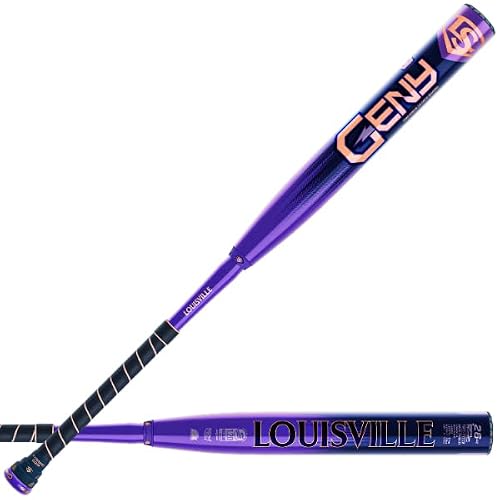
Louisville Slugger Genesis Best Tournament Exit Velocity |
USSSA 240 NTS | Power Load (0.75 oz) | $$$$ | Check Price » |
|
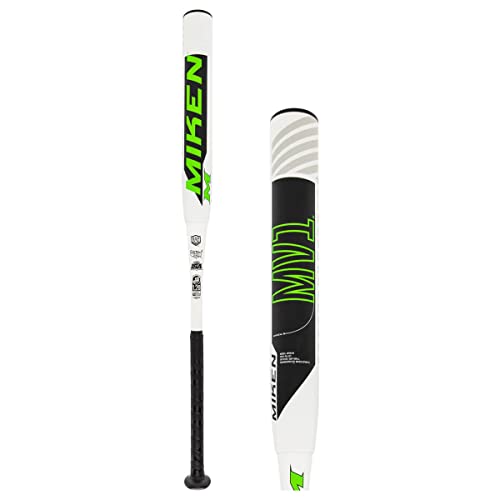
Miken MV-1 Dual Stamp Best Dual Stamp Versatility |
Dual Stamp (USA & USSSA) | 0.5 oz Maxload | $$$ | Check Price » |

|
Axe Debacle Dual Stamp Best Ergonomic Whip |
Dual Stamp (USA & USSSA) | 0.5 oz Endloaded Flared Handle | $$$ | Check Price » |

|
DeMarini Ultimate Weapon Best Single-Wall Alloy Workhorse |
All-Association (Alloy-Only Leagues) | End-Loaded SC4 Alloy | $$ | Check Price » |

|
Easton Hammer / Rival Best Budget All-Weather Alloy |
All-Association (ALX50 Alloy) | Loaded End Weight | $ | Check Price » |
🥎 Coach Mac’s Dugout Notebook: The USSSA 240 vs. USA .52 Ball Stamp Trap
Every spring, adult league players waste three hundred dollars because they do not understand softball physics. In slowpitch, the bat and the ball are an engineered system. If you play in a USA Softball (formerly ASA) league, you are hitting a high-rebound, low-compression softball (.52 COR / 300 lbs compression). That soft ball needs a bat with thin, flexible composite walls (like the Worth Bedlam) that flex on contact and snap forward. If you bring a stiff USSSA bat to a USA league, the ball will hit the barrel like a dead wet sponge.
Conversely, if you play in a USSSA tournament, you are facing a rock-hard, high-compression ball (.44 COR / 375 lbs). The new USSSA 240 NTS standard mandates thicker composite walls to pass strict compression testing. Swing a flexible USA-only bat against those hard .44 softballs, and you will flat-spot or snap your barrel within two tournaments. Always check your league commissioner’s official ball stamp before ordering equipment.
Detailed Reviews: Top 8 Slowpitch Softball Bats
Miken Freak (KP23 / Primo)
Price Tier: $$$$ | Construction: 2-Piece E-Flex 360 Composite | Weights: 25 oz, 26 oz, 27 oz, 28 oz
The Miken Freak KP23 is an absolute icon in competitive slowpitch. Designed in collaboration with USSSA conference slugger Kyle Pearson, this bat features a compact 12.5-inch barrel weighted with an aggressive 0.5-ounce maxload. That extra half-ounce concentrated in the end cap acts as a centrifugal whip, transferring maximum kinetic energy directly through the hitting zone.
Miken’s E-Flex 360 barrel carbon fiber layup allows the barrel walls to flex uniformly regardless of rotation angle. Hitting line drives with this stick produces a sharp, gunshot-like crack and flat-trajectory carry that routinely clears 300-foot outfield fences. The shorter barrel requires consistent hand path mechanics, but when you catch a softball on the inner sweet spot, nothing in slowpitch travels farther.
✓ What Works Well
- Massive home-run exit velocity engineered specifically for USSSA 240 compression
- 0.5 oz maxload end cap delivers explosive whip through the ball
- F4P energy transfer handle completely dampens stinging feedback on mis-hits
⚠ What to Keep in Mind
- 12.5-inch short barrel offers a smaller sweet spot than 13.5-inch recreational bats
- Premium tournament price tier; strictly for USSSA, NSA, and ISA sanctioned leagues
Bottom Line: The undisputed power benchmark for competitive USSSA tournament sluggers who want explosive end-loaded barrel pop.
Worth Bedlam XL
Price Tier: $$$ | Construction: 2-Piece X868 Composite | Weights: 25 oz, 26 oz, 27 oz
If your community park league sanctions under USA Softball (formerly ASA), the Worth Bedlam XL is the ultimate weapon. Built specifically to compress and propel softer .52 COR softballs, the Bedlam utilizes Worth’s proprietary X868 composite resin. This resin allows outer composite plies to trampoline instantly upon contact without requiring a brutal 200-swing break-in session.
Unlike short-barrel tournament sticks, the Bedlam features an expansive 13.5-inch barrel. This extra length creates a massive, forgiving sweet spot that rewards recreational players who do not always square the ball up dead-center. The 0.5-ounce XL end-load provides enough forward momentum to drive balls into the outfield gaps while maintaining smooth barrel control.
✓ What Works Well
- Purpose-built for USA/ASA .52 COR softballs with maximum outer wall trampoline
- Forgiving 13.5-inch barrel minimizes pop-outs on off-center contact
- Opti-Grip collar ensures firm tactile grip with or without batting gloves
⚠ What to Keep in Mind
- Cannot be swung against hard USSSA .44 balls without voiding warranty and risking barrel denting
- Distinct hollow sound on contact that takes some traditional alloy hitters time to love
Bottom Line: The premier high-flex distance launcher engineered specifically for community leagues hitting low-compression .52 COR balls.
Easton Tantrum
Price Tier: $$$ | Construction: 2-Piece HDK23 Composite | Weights: 25 oz, 26 oz, 27 oz
Not every slowpitch slugger swings for the light towers. If your hitting style centers on spraying line drives into gaps, cutting balls down the foul line, and maintaining high on-base percentages, the balanced Easton Tantrum is an elite weapon. Easton poured their latest HDK23 carbon fiber composite into this line, creating a lighter, more nimble swing profile.
The Tantrum incorporates a multi-flex handle and an optimized barrel layup that delivers high trampoline rebound while keeping the overall swing weight evenly balanced. Contact hitters love it because they can wait back on slow-pitch arcs and make last-second adjustments without fighting barrel lag. It carries full USSSA 240, NSA, and ISA stamps.
✓ What Works Well
- Evenly balanced swing weight allows rapid barrel speed and directional bat control
- HDK23 carbon fibers provide immediate pop with minimal break-in required
- Ultra-thin handle with cushioned grip offers superb tactile feedback
⚠ What to Keep in Mind
- Generates slightly less raw distance on towering fly balls than the end-loaded Miken Freak
- Paint finish can show scuff marks quickly when pulled from metal bat racks
Bottom Line: The top balanced composite stick for gap-to-gap spray hitters and cut-swing technicians.
Louisville Slugger 2026 Genesis
Price Tier: $$$$ | Construction: 2-Piece SSP 240X Composite | Weights: 25 oz, 26 oz, 27 oz, 28 oz
The “Geny” has developed a cult-like following across national tournament circuits. The Louisville Slugger 2026 Genesis (Royal Geny Collection) combines a 13-inch composite barrel with Slugger’s high-stiffness SSP 240X carbon fiber system. The result is an explosive trampoline effect calibrated to the bleeding edge of legal USSSA 240 compression limits.
Engineered with a 0.75-ounce Power Load, this bat sits between standard 0.5-oz maxloads and full full-ounce sledgehammers. It provides immense whip through the hitting zone without feeling unwieldy. If you have clean hip rotation and consistently hit the sweet spot, the Genesis produces some of the highest exit velocities recorded on radar.
✓ What Works Well
- Elite exit velocities on the USSSA 240 tournament circuit
- 0.75 oz Power Load offers the ideal balance of end-loaded whip and barrel speed
- QWK connection system eliminates handle flex energy dissipation
⚠ What to Keep in Mind
- Stiff barrel requires 75 to 100 rotational swings before reaching peak pop
- High demand leads to frequent stock sellouts during peak spring registration
Bottom Line: A tournament power monster featuring extreme handle-to-barrel whip for elite senior and conference players.
Miken MV-1 Dual Stamp
Price Tier: $$$ | Construction: 2-Piece Multi-Wall Composite | Weights: 26 oz, 27 oz, 28 oz
If you play on two different nights of the week—say, a Sunday morning USA/ASA rec league and a Thursday night USSSA competitive league—buying two separate three-hundred-dollar composite bats is an expensive proposition. The Miken MV-1 Dual Stamp solves this problem by carrying both official certification stamps on its collar.
Miken utilized a dual-compression multi-wall inner core that safely absorbs the impact of harder .44 USSSA softballs while still flexing enough to generate solid pop with softer .52 USA balls. While a dual-stamp bat will never have quite the razor-thin trampoline pop of a single-sanction specialist, the MV-1 is remarkably durable and delivers dependable performance across all diamond surfaces.
✓ What Works Well
- Dual-stamped for legal play in USA Softball, USSSA 240, NSA, and ISA leagues
- Saves hundreds of dollars for multi-league adult softball players
- Generous 13-inch barrel with a reliable, durable composite layup
⚠ What to Keep in Mind
- Modestly lower exit velocity compared to dedicated single-sanction tournament bats
- Slightly heavier swing feel due to internal multi-wall reinforcement
Bottom Line: The ideal dual-stamp solution for players competing in both USA/ASA and USSSA leagues on consecutive weeknights.
Axe Debacle Dual Stamp
Price Tier: $$$ | Construction: 2-Piece Charged Carbon Composite | Weights: 26 oz, 27 oz
Traditional round bat knobs can create pressure blisters on the palm and encourage rolling wrists prematurely. The Axe Debacle features Axe’s patented axe-handle geometry, engineered to fit the natural biomechanics of your hands. This ergonomic grip locks your bottom hand in place, promoting a flush palm-up, palm-down contact position.
Because the Axe handle forces you to swing the bat with the same face every time, Axe engineers reinforced the hitting face with their Charged Carbon+ composite while lightening the non-impact backside. This directional engineering reduces swing weight and delivers rapid barrel acceleration through contact. It carries full dual-stamp certification for both USA and USSSA leagues.
✓ What Works Well
- Patented Axe handle promotes biomechanically superior palm alignment and bat speed
- Directional barrel engineering allows maximum durability on the hitting face
- Dual-stamped for complete league versatility
⚠ What to Keep in Mind
- Axe handle takes 2 to 3 batting sessions to feel natural for veteran round-knob hitters
- Cannot rotate the barrel between swings (engineered for single-sided impact)
Bottom Line: The best ergonomic bat for hitters suffering from palm blisters or bottom-hand hamate bone discomfort.
DeMarini Ultimate Weapon
Price Tier: $$ | Construction: 1-Piece SC4 Single-Wall Alloy | Weights: 26 oz, 27 oz, 28 oz, 30 oz
Many municipal park districts and corporate recreational leagues strictly ban composite bats to protect infielders and keep scores realistic. In single-wall alloy leagues, composite super-sticks are illegal. The DeMarini Ultimate Weapon is the undisputed champion of this format.
Forged from a single tube of high-strength SC4 aluminum alloy, the Ultimate Weapon features a 12-inch barrel with an end-loaded swing weight. It requires zero break-in, is virtually indestructible in cold weather, and produces crisp line drives without the trampoline spring of composite plies. If your league rules state “Single-Wall Aluminum Bats Only,” this is the stick you want in your hands.
✓ What Works Well
- 100% legal in strict single-wall alloy-only recreational leagues
- Solid SC4 aluminum construction will not crack in cold weather or freeze play
- Zero break-in required; ready to play straight out of the wrapper
⚠ What to Keep in Mind
- Single-wall alloy will not match composite exit velocity or distance
- One-piece construction transmits hand sting on contact near the handle
Bottom Line: The definitive single-wall alloy standard for strict municipal leagues that outlaw multi-wall composites.
Easton Hammer / Rival
Price Tier: $ | Construction: 1-Piece ALX50 Aircraft Alloy | Weights: 26 oz, 27 oz, 28 oz
For church leagues, company co-ed teams, and players on a strict budget, dropping three hundred dollars on a high-end composite stick is unnecessary. The Easton Hammer (and its twin, the Rival) is the most ubiquitous, reliable budget bat in slowpitch history.
Crafted from durable ALX50 aircraft-grade aluminum alloy, the Hammer features an end-loaded swing weighting that helps recreational batters push balls over infield heads. It can sit in the trunk of your car through a freezing winter night and take 50 swings in a 45-degree autumn playoff game without denting or cracking. It is also the ideal team bat to toss in the dugout for anyone who forgot their gear.
✓ What Works Well
- Most affordable entry price point in adult slowpitch
- Indestructible ALX50 alloy handles cold weather, cage balls, and dugout abuse
- All-association certification (USA, USSSA, NSA, ISA)
⚠ What to Keep in Mind
- Modest sweet spot and low trampoline pop compared to composite models
- Stiff one-piece alloy gives strong feedback on mishits off the end cap
Bottom Line: An indestructible, all-weather alloy workhorse for church and corporate recreation teams on a strict budget.
🥎 Coach Mac’s Dugout Notebook: End-Load vs. Balanced Swing Physics
In slowpitch softball, the ball is traveling toward the plate at just 15 to 25 miles per hour. That means all exit velocity must come from the batter’s rotational power and the mass of the bat. This is why Swing Weight matters far more than the sticker weight on the knob.
A 26-ounce balanced bat (like the Easton Tantrum) distributes mass evenly along the barrel. This allows you to generate rapid bat speed, adjust your hands to high-arc pitches, and cut line drives into open grass. However, an end-loaded bat (like the Miken Freak KP23 with a 0.5 oz maxload) places weight in the final two inches of the barrel. When swung with sound hip drive, that concentrated mass creates tremendous centrifugal force, launching balls 20 to 30 feet deeper. If you struggle with bat speed or drop your back shoulder, stick with balanced. If you have clean rotational power, go end-loaded.
Slowpitch Softball Bat Buyer’s Guide: 5-Pillar Selection Playbook
Slowpitch softball is a precision game of launch angles, exit velocities, and rotational swing mechanics. Because slowpitch pitchers deliver arching balls traveling at modest velocities (15 to 25 mph), all batted-ball energy must be generated through the batter’s rotational power and the bat barrel’s trampoline elasticity. Stepping into the batter’s box with the wrong sanction stamp or an incompatible swing weight will rob your line drives of outfield carry. Master these five foundational coaching pillars to choose the perfect slowpitch weapon for your offensive lineup.
1. Sanction Stamps & Compression Standards: USSSA 240 vs. USA/ASA Linear Limits
The single most important step before buying any slowpitch bat is confirming your league’s official governing sanction. USSSA slowpitch leagues now strictly mandate the USSSA 240 NTS stamp, which replaced the legacy 220-compression standard to enhance defensive safety. USSSA bats are engineered to hit firm, high-compression .44/375 or .52/300 softballs without exceeding the 1.20 BPF threshold. Conversely, USA Softball (formerly ASA) leagues utilize the USA Softball stamp, engineered specifically for high-rebound, low-compression .52/300 balls. A USA-stamped composite bat will hit .52/300 balls noticeably harder than a USSSA bat, but will shatter if used against dense .44/375 balls. Always consult your league director or umpire-in-chief before investing in a high-dollar stick.
2. Monolithic One-Piece Stiff Alloy vs. High-Flex Two-Piece Composite Joints
Slowpitch bats are built in two primary structural configurations: one-piece bats and two-piece bats. One-piece bats are constructed from a single continuous piece of alloy or composite material from knob to end cap. They provide an ultra-stiff feel with zero handle flex, delivering instantaneous feedback into the hitter’s hands and rewarding power hitters who generate rapid wrist snaps. Two-piece bats separate the barrel from the handle using a specialized elastomer connection joint (such as Miken F4P or Worth X-Damp). This joint allows the handle to flex independently, reducing harsh vibrational sting on off-center hits and creating a whiplash trampoline effect that assists contact hitters with moderate swing speeds.
3. Swing Weight Distribution: Balanced Precision vs. End-Load Power Archetypes
Slowpitch bat performance is defined by mass distribution across the barrel. Balanced bats distribute total scale weight evenly across the entire length of the bat, creating a low Moment of Inertia (MOI). This configuration provides effortless bat speed, precise barrel control, and optimal spray-hitting capability to shoot line drives through open infield gaps. End-loaded bats shift 0.5 oz, 0.75 oz, or a full 1.0 oz of extra weight into the top two inches of the barrel end cap. This higher MOI demands greater forearm strength to initiate the swing, but delivers devastating momentum and exit velocity when driving softballs over outfield perimeter fences.
4. Price-Tier Reality Check: Rec Single-Wall Alloy ($) to Tournament Dual-Stamp ($$$$)
Slowpitch bats span four clear investment tiers. The budget tier ($) comprises classic single-wall aluminum models (like the Easton Salvo or Easton Rival) under eighty dollars, designed strictly for casual church or corporate rec leagues that restrict composite bats for player safety. The mid-tier ($$) features entry-level composite barrels and hybrid alloy constructions that provide enhanced pop for competitive rec players. The premium tier ($$$) delivers tournament-grade carbon composite flagships from industry leaders like Miken, Worth, and DeMarini, incorporating specialized micro-cell urethane resins and multi-wall designs. Finally, the flagship tier ($$$$) offers custom-tuned pro-series models with limited-edition paint jobs, precision swing-weight tuning, and dual-stamp certifications for elite weekend tournament warriors.
5. Barrel Rotation Mechanics, Ball Density Matching (.52/300 vs .44/375) & Dugout Care
To preserve your slowpitch bat’s composite structural integrity, follow the strict one-quarter turn rotation rule: rotate the barrel slightly in your hands between every pitch during batting practice to distribute impact stress evenly around the cylindrical circumference. Never hit dense yellow rubber dimpled balls at commercial batting cages, as their solid composition exceeds the impact resistance of modern softball barrels. Equally critical, never swing your composite bat in temperatures under 60°F; cold weather stiffens softball polyurethane cores, turning ordinary balls into solid projectiles that cause seam fracturing and end-cap separation. Store your slowpitch bats in climate-controlled indoor spaces to keep composite resins flexible.