
Pickleball has evolved from a casual backyard lawn game into a high-velocity, aerodynamically sophisticated sport. Heavy wooden paddles and slick fiberglass models have given way to precision-molded raw carbon fiber paddles engineered for maximum spin, plush kitchen control, and blistering drive velocity. When a dink rally turns into a reflex firefight at the non-volley zone, the physical composition of your paddle face and core determines whether you win the point or pop up an easy put-away.
Finding the right paddle isn’t about chasing whatever tournament pros endorse—it’s about matching core thickness, face friction, and swing weight to your specific style of play. A thicker 16mm honeycomb core cushions incoming velocity for buttery third-shot drops, while raw Toray carbon weave grips the ball’s plastic perforations to generate heavy topspin. Below, we’ve broken down the top pickleball paddles for 2026, analyzing how each model actually performs on court and what everyday players say after months of play.
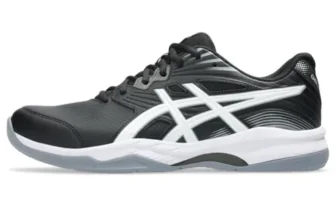
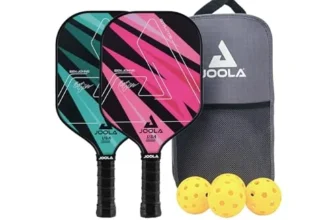
Paddle responsiveness dictates kitchen dink consistency and baseline drive power, whether stepping onto the court in court-specific pickleball shoes or transitioning from family backyard play with portable net and paddle bundles. Core thickness and friction face texture determine sweet spot size.
Comparison Table: Best Pickleball Paddles at a Glance
| Model | Product & Award | Key Spec / Category | Tier | Action |
|---|---|---|---|---|
 |
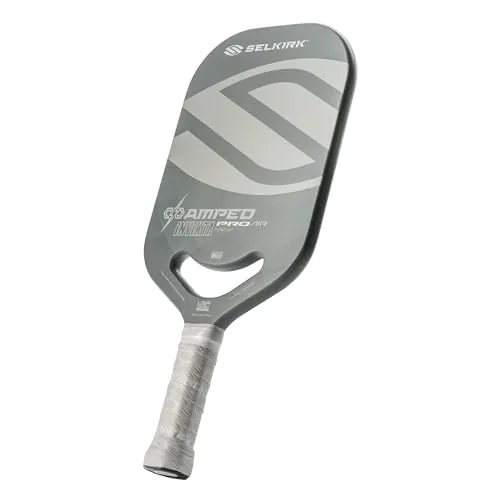
Best Overall Pick Selkirk Amped Pro Air Invikta |
Air Dynamic Throat & Edgeless Carbon Face | $$$$ | Check Price » |
 |
Best for Power Drives JOOLA Ben Johns Perseus 16mm |
16mm Charged Carbon Face & Elongated Reach | $$$$ | Check Price » |
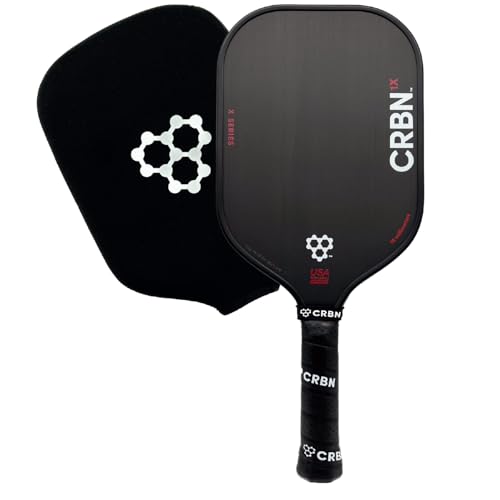 |
Best for Heavy Spin CRBN 1X Power Series 16mm |
Toray T700 Raw Carbon Fiber & Thermoformed Unibody | $$$$ | Check Price » |
 |
Best Value Raw Carbon Vatic Pro Prism Flash 16mm |
Toray T700 Raw Carbon & 16mm Foam-Injected Unibody | $$ | Check Price » |
 |
Best Balanced Control Franklin Sports Signature Pro 16mm |
MaxGrit Textured Polypropylene Core & USAPA Approved | $$ | Check Price » |
 |
Best for Fast Hands Paddletek Bantam TS-5 Pro |
Bantam PolyCore Interior & Lightweight 7.5oz Build | $$$ | Check Price » |
🏓 Field & Court Notes: 13mm vs. 16mm Core Physics: Power vs. Touch
The single most impactful spec on any paddle spec sheet is core thickness. Thinner cores (13mm to 14mm) act like trampolines: the ball rebounds instantly off the honeycomb structure with minimal dwell time, delivering explosive baseline drives and put-away speed, but punishing off-center hits with harsh vibrations. Thicker cores (16mm) do the exact opposite: they compress on impact, absorbing incoming ball energy and holding the ball on the face milliseconds longer. That extra dwell time is why 16mm paddles are the overwhelming choice for players who want to master unattackable third-shot drops, soft kitchen resets, and controlled dink rallies. Pro tip: if you suffer from tennis elbow, avoid thin 13mm paddles entirely—the plush vibration dampening of a 16mm core protects your forearm tendons over long tournament weekends.
Detailed Product Reviews & What Players Say
Selkirk Amped Pro Air Invikta
Price Tier: $$$$ | Key Spec: Air Dynamic Throat & Edgeless Carbon Face
Engineered in Hayden, Idaho, the Selkirk Amped Pro Air Invikta represents the apex of aerodynamic kitchen play. The defining feature is its open-throat vent design that slices cleanly through air resistance, dramatically speeding up your paddle velocity during high-speed volley firefights at the net. The edgeless DuraEdge frame eliminates frustrating rim deflections on low ankle digs, while the QuadFlex hybrid face blends carbon stiffness with fiberglass trampoline pop. When you’re forced to dig out a sinking ball, the crisp feedback off the face gives you the confidence to punch returns right into open court gaps.
Competitive tournament players and 4.0+ league competitors love the lightning-fast swing weight during quick kitchen exchanges, noting it feels noticeably faster than boxy widebody paddles. Players mention that because the open-throat core is thinner and stiffer than plush control paddles, off-center mis-hits will send balls deep, so it requires disciplined touch when you’re executing delicate third-shot drops.
✓ What Works Well
- Air Dynamic Throat cut-out speeds up hand speed during rapid net exchanges
- Edgeless DuraEdge frame expands the perimeter sweet spot and eliminates rim mis-hits
- QuadFlex hybrid face delivers explosive roll volleys without sacrificing touch
⚠ What to Keep in Mind
- Premium price tag representing top-tier tournament engineering
- Stiffer pop requires refined soft-game touch on delicate kitchen dinks
Bottom Line: The premier aerodynamic weapon for athletic 3.5+ players who want blazing hand speed at the kitchen line and explosive punch volleys.
JOOLA Ben Johns Perseus 16mm
Price Tier: $$$$ | Key Spec: 16mm Charged Carbon Face & Elongated Reach
Designed in close partnership with world number-one Ben Johns, the JOOLA Perseus 16mm is a dominant force on the professional tournament circuit. Its Charged Carbon surface imparts explosive kinetic energy on baseline drives, while the plush 16mm reactive polymer core provides the essential dwell time needed to deaden speeding balls into unattackable third-shot drops. The elongated shape extends your reach along the sidelines and magnifies leverage on overhead put-aways, meaning you won’t have to strain for tough defensive gets.
Tournament baseline players and aggressive singles competitors rave about the effortless plow-through and deep roll spin on passing shots. Long-term owners consistently point out that the elongated head has a slightly higher swing weight that can tire out your forearm over long three-set matches, and they recommend keeping a rubber carbon eraser in your bag to clear out plastic ball dust from the textured face.
✓ What Works Well
- 16mm reactive polymer core creates buttery dwell time for reset drops and resets
- Charged Carbon surface delivers massive baseline power and blistering topspin drives
- Elongated 16.5-inch paddle length expands your defensive reach across the sidelines
⚠ What to Keep in Mind
- Heavier swing weight requires strong forearm conditioning during extended tournaments
- Textured carbon face gathers ball residue and needs regular eraser maintenance
Bottom Line: A dominant tournament weapon that combines crushing baseline plow-through with plush 16mm kitchen drop control.
CRBN 1X Power Series 16mm
Price Tier: $$$$ | Key Spec: Toray T700 Raw Carbon Fiber & Thermoformed Unibody
If generating heavy topspin and dipping slice is central to your tactical game, the CRBN 1X Power Series is an exceptional piece of carbon engineering. Built with aerospace-grade Toray T700 raw carbon fiber, its microscopic weave mechanically bites into the plastic ball casing, producing maximum rotations per minute on roll volleys. Thermoformed unibody construction seals the edge walls with foam injection, expanding the sweet spot toward the perimeter and eliminating dead corners so your blocks stay true.
Advanced players and spin-heavy counter-punchers love how sharply their drives dip just inside the baseline, keeping opponents locked deep. Owners frequently note that the stock handle wrap feels fairly basic, so adding a tacky overgrip is an easy five-minute upgrade that improves sweat security in humid weather.
✓ What Works Well
- Toray T700 raw carbon weave produces blistering spin on baseline dipping drives
- Thermoformed foam-injected perimeter expands torsional stability and sweet spot size
- Clean, understated matte black aesthetic eliminates distracting glare under stadium lights
⚠ What to Keep in Mind
- Thermoformed unibody feel can feel somewhat stiff out of the box until broken in
- Stock handle grip is thin and benefits from an aftermarket overgrip
Bottom Line: The undisputed spin king for tactical players who want heavy dipping baseline topspin and foam-stabilized block resets.
Vatic Pro Prism Flash 16mm
Price Tier: $$ | Key Spec: Toray T700 Raw Carbon & 16mm Foam-Injected Unibody
The Vatic Pro Prism Flash has disrupted the paddle industry by offering genuine Toray T700 raw carbon fiber and foam-injected edge walls at roughly half the price of legacy tournament flagships. Unlike older generation multi-piece paddles that can crack at the handle throat, Vatic uses a continuous unibody carbon mold wrapped with high-density polyurethane edge foam. The hybrid aerodynamic shape maneuvers quickly during rapid kitchen exchanges, while the plush 16mm core soaks up incoming ball speed.
Club players and intermediate improvers call this the absolute best value in modern pickleball, praising how easy it makes resetting hard smash attacks into gentle dinks. Reviewers point out that while control and spin are top-tier, raw baseline put-away power is moderate compared to stiff thermoformed speed paddles.
✓ What Works Well
- Unbeatable price-to-performance ratio for authentic Toray T700 raw carbon fiber
- Foam-injected unibody walls provide remarkable torsional stability on off-center digs
- Plush 16mm core allows beginner and intermediate players to master soft third-shot drops
⚠ What to Keep in Mind
- Moderate baseline drive speed—pure power hitters may desire more pop
- Simple visual design lacks the flashy graphics of mainstream retail brands
Bottom Line: The smartest value investment in pickleball, delivering premium raw carbon spin and unibody foam stability at an accessible price point.
Franklin Sports Signature Pro 16mm
Price Tier: $$ | Key Spec: MaxGrit Textured Polypropylene Core & USAPA Approved
Official equipment of the US Open Pickleball Championships, the Franklin Signature Pro 16mm is an ultra-dependable workhorse paddle seen on public courts across the country. Franklin’s proprietary MaxGrit surface technology utilizes a durable textured coating engineered to grip the ball for enhanced topspin without degrading quickly. The classic 16-by-8-inch widebody geometry offers an exceptionally wide sweet spot that forgives off-center ball strikes during frantic defensive scrambles.
Everyday rec league players and league doubles competitors consistently praise the predictable, consistent response off the face, noting there are zero bizarre hot spots or dead corners. Players mention that the paddle has a solid, substantial feel in the hand, making it ideal for players transitioning over from traditional tennis.
✓ What Works Well
- Widebody 8-inch width provides an enormous, forgiving sweet spot on off-center volleys
- Official US Open tournament paddle with proven tournament pedigree and durability
- MaxGrit surface texture imparts heavy spin on cut serves and slicing drop shots
⚠ What to Keep in Mind
- MaxGrit coating wears smoother faster than raw Toray carbon weave over months of play
- Slightly heavier static weight than ultra-light aerodynamic speed models
Bottom Line: A proven, dependable widebody workhorse that delivers forgiving sweet-spot consistency and official tournament performance.
Paddletek Bantam TS-5 Pro
Price Tier: $$$ | Key Spec: Bantam PolyCore Interior & Lightweight 7.5oz Build
For players who suffer from tennis elbow, shoulder stiffness, or simply feel weighed down by heavy 8.5-ounce paddles, the Paddletek Bantam TS-5 Pro is a godsend. Weighing in at a feathery 7.0 to 7.5 ounces, this American-made paddle is engineered around Paddletek’s responsive Bantam PolyCore. It glides through the air with minimal drag, allowing lightning-fast defensive reactions when an opponent smashes down from the kitchen line, letting you pop returns back over the net with ease.
Senior players and quick-handed net specialists love the zero-strain feel during long morning doubles sessions, noting their elbows and shoulders feel fresh afterward. Reviewers note that because it is so lightweight, digging out heavy deep baseline drives requires you to generate your own momentum.
✓ What Works Well
- Featherweight 7.0–7.5 oz spec eliminates elbow strain and shoulder fatigue completely
- High-grade Bantam PolyCore delivers punchy power despite the featherweight build
- Manufactured with pride in the USA with rigorous quality control tolerances
⚠ What to Keep in Mind
- Lighter weight provides less passive plow-through on deep baseline groundstrokes
- Narrower sweet spot than oversized 16mm widebody tournament paddles
Bottom Line: The premier lightweight solution for players seeking lightning kitchen hand speed, arm joint relief, and crisp touch.
🏓 Field & Court Notes: Maintaining Raw Carbon Grit & Grip Care
Raw carbon fiber paddles generate revolutionary spin because the exposed carbon weave acts like microscopic sandpaper, biting the ball’s plastic shell. But after a few weeks of court play, many players mistakenly think their carbon face is wearing smooth. What’s actually happening is that microscopic plastic residue from pickleballs and court dust fills the textured micro-grooves. To restore your paddle’s factory bite, use a specialized rubber paddle eraser block every few matches. Gently rubbing the eraser across the carbon strips away polymer buildup in seconds without damaging the carbon weave. Pro tip: never clean your carbon paddle with household solvents, wet wipes, or dish soap—chemical residues create a slick film that permanently kills your spin potential.
Also Considered: Other Pickleball Paddles Evaluated
We evaluated several other popular models during our research. While capable for everyday sessions, each was edged out by our top award picks due to specific engineering trade-offs in hardware integration, long-term durability, or price-to-performance value:
Why it missed the cut:
Why it missed the cut:
Why it missed the cut:
Pickleball Paddle Selection Guide: 5-Pillar Buyer’s Playbook
Selecting the right paddle requires looking past slick marketing graphics and understanding how core materials, face friction, and structural weight distribution impact your court play. Here’s our 5-pillar breakdown so you don’t end up with a paddle that works against your natural stroke mechanics.
1. Anatomy & Engineering: Core Thickness & Face Materials
The interior anatomy of a modern pickleball paddle centers around its polymer honeycomb core and outer composite face. Polypropylene honeycomb has become the universal industry standard because it absorbs shock while maintaining structural integrity over millions of impacts. Cores are primarily split into two thicknesses: 13mm to 14mm (thin/power) and 16mm (thick/control). Thinner cores pop off the face with higher exit velocity but smaller sweet spots, while 16mm cores compress upon contact, increasing dwell time so you can feather delicate soft drops into the kitchen without popping balls high.
Face materials dictate how effectively you can shape ball trajectory. Toray T700 raw carbon fiber features an exposed carbon weave that grips the plastic ball surface, generating heavy revolutions per minute (RPM) for dipping topspin drives. In contrast, fiberglass (composite) faces provide high flex and trampoline rebound, which helps beginners generate depth without swinging violently, though you’ll sacrifice surgical control on touch shots.
2. Player Archetype: Power Baseline Driver vs. Kitchen Dinker
Your physical position and playstyle should dictate your paddle shape so you aren’t fighting your equipment. Aggressive singles players and baseline power hitters thrive with elongated paddles (measuring 16.5 inches long by 7.5 inches wide). The added length shifts the balance point outward toward the tip, maximizing leverage and plow-through on overhead smashes, though it slightly slows your hand speed during rapid net exchanges.
If you play primarily competitive doubles, a standard widebody or hybrid shape (16 inches long by 8 inches wide) is vastly superior. The wider paddle face expands the lateral sweet spot, allowing you to block hard body attacks and execute fast reset volleys during reflex battles at the non-volley zone without frustrating rim shanks.
3. Swing Weight, Static Weight & Grip Sizing
Paddle weight is divided into two distinct metrics: static weight (what it registers on a postal scale) and swing weight (how heavy it feels dynamically through the air). Most performance paddles weigh between 7.8 and 8.3 ounces. Paddles under 7.6 ounces offer lightning quickness for net defense but lack plow-through, requiring you to swing harder on deep baseline returns. Paddles over 8.4 ounces deliver crushing power, but they’ll strain shoulder tendons over long tournament days if you haven’t conditioned your arm.
Grip circumference directly affects wrist snap and joint health. Most standard paddles feature a 4.125-inch to 4.25-inch circumference. A grip that’s too small forces your fingers to squeeze excessively tight, causing forearm fatigue, while an oversized grip restricts wrist articulation on spin rolls. A simple rule of thumb: when holding the paddle with an Eastern grip, you should be able to slide the index finger of your opposite hand between your fingertips and palm.
4. Price-Tier Reality: Entry-Level vs. Tournament Grade
Understanding price tiers prevents overspending on features you don’t yet need so you won’t blow your gear budget:
- Budget Tier ($): Multi-piece fiberglass paddles with glued edge guards. Excellent for beginners learning the rules, but cores can develop dead spots after six months of frequent play.
- Mid-Tier ($$): High-grade raw carbon faces with unibody molds (such as Vatic Pro). Offers 90% of tournament flagship performance at an accessible price point so you don’t have to overspend.
- Premium & Tournament Tiers ($$$ to $$$$): Fully thermoformed unibody engineering, foam-injected perimeter walls, and proprietary aerodynamic throat designs (like Selkirk and JOOLA). Engineered for 4.0+ tournament players who need maximum stability, expanded sweet spots, and pro-level spin.
5. Care, Longevity & Thermal Management
High-end composite paddles are precision pieces of sporting hardware that degrade under improper care. Never store your paddle in a hot car trunk during summer months. Temperatures inside a sealed vehicle frequently exceed 130°F, and that’ll soften internal epoxy bonds and cause core delamination, creating illegal dead spots or hollow trampolining that won’t pass USAP compression checks.
To preserve your paddle’s raw carbon friction, clean the face every few court sessions with a specialized rubber paddle eraser block. Avoid wet wipes, household cleaning sprays, or alcohol pads, which leave slick chemical residues inside the carbon micro-grooves and you’ll permanently destroy your spin potential.
Frequently Asked Questions (FAQ)
What core thickness should a beginner choose?
Beginners should almost always start with a 16mm core paddle. Thicker 16mm cores absorb incoming ball speed and provide a significantly more forgiving sweet spot, making it much easier to learn soft third-shot drops and kitchen dinks without popping the ball up into an attackable put-away.
What is the difference between raw carbon and fiberglass faces?
Raw carbon fiber (such as Toray T700) features a textured weave that physically grips the plastic ball to generate heavy topspin and slice. Fiberglass (composite) is smoother and more flexible, acting like a mini-trampoline that generates easy power for players with slower swing speeds, though it offers less precision control.
How long does a pickleball paddle last before needing replacement?
For an avid player logging 6 to 10 hours of court time per week, a high-performance paddle typically lasts between 12 and 18 months. Over time, the internal honeycomb core gradually softens in high-impact zones, leading to reduced pop, while surface grit slowly smooths out, diminishing maximum spin potential.
Can I add lead tape to customize my paddle’s performance?
Yes! Applying adhesive lead or tungsten tape to your paddle’s edge guard is a standard tournament customization. Placing weighted tape at the 3 and 9 o’clock positions widens the torsional sweet spot and stabilizes the paddle against twisting on off-center hits. Adding tape near the tip (12 o’clock) increases swing weight and smash power.