Stepping onto a soccer pitch without the right gear can turn an exciting match into ninety minutes of foot pain, blistered heels, and missed opportunities. Soccer demands rapid acceleration, explosive cutting on slick turf, and pinpoint touch while moving at full speed. Whether you are outfitting a first-year youth player or stepping onto a competitive adult pitch, knowing how to choose equipment tailored to your field surface and playing style is essential.
Modern soccer equipment has evolved far beyond basic rubber cleats and bulky plastic shin pads. Today’s marketplace features specialized outsoles engineered for specific turf depths, engineered synthetic leathers that resist water absorption, reactive foam shin guards that stay flexible until impact, and professional-grade latex goalkeeper gloves tailored for wet turf. This comprehensive playbook breaks down every essential gear category, explains technical rulebook standards, and provides a clear checklist for the season ahead.
Quick Navigation:
- 1. Cleat Outsole Types: FG, AG, SG, TF, and IN
- 2. Soccer Ball Sizing & Construction Standards
- 3. Shin Guard Styles & NOCSAE Safety
- 4. Goalkeeper Gear: Cuts, Latex & Finger Protection
- 5. Essential Training Gear & Match Checklist
- 6. Gear Maintenance & Leather Care
- 7. Frequently Asked Questions
1. Cleat Outsole Types: FG, AG, SG, TF, and IN
The single most important decision in soccer footwear is matching your cleat outsole to the surface you play on. Wearing the wrong studs compromises traction, causes premature boot failure, and substantially elevates the risk of severe knee and ankle ligament sprains.
Here are the primary outsole classifications every player and soccer parent should recognize:
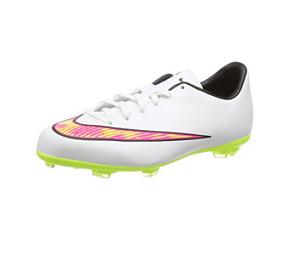
- Firm Ground (FG): The universal standard for natural grass fields. FG outsoles feature molded plastic or TPU studs configured in bladed, conical, or chevron shapes. They penetrate natural soil cleanly and release without clinging to turf roots.
- Artificial Grass (AG): Specifically built for modern 3G and 4G synthetic turf fields with black rubber crumb infill. AG plates utilize a higher number of shorter, hollow conical studs that distribute pressure evenly across the footbed and prevent dangerous turf bite.
- Soft Ground (SG): Designed exclusively for waterlogged, muddy, or deeply saturated grass pitches. SG boots feature six or eight interchangeable aluminum-tipped studs that bite deep into wet earth. Never wear SG studs on artificial turf or hard-baked summer fields.
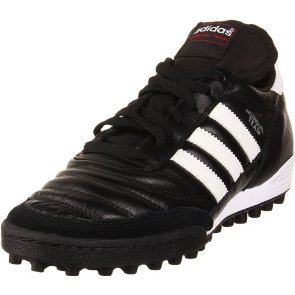
- Turf (TF): Engineered for short-pile carpet turf and older indoor arenas without rubber crumb. TF shoes utilize dense patterns of dozens of small rubber nubs built onto a full-length EVA or foam midsole, relieving joint stress on hard sub-bases.
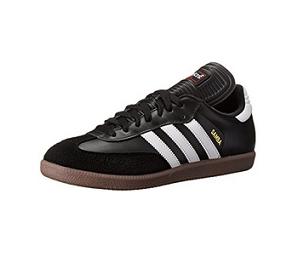
- Indoor Court (IN / IC): Built for polished hardwood gym floors, sport court tile, and flat concrete. Featuring non-marking flat gum-rubber outsoles with herringbone or hexagonal siping for maximum friction during fast-paced futsal matches.
⚽ Coach Liam’s Sideline Notebook: The Dangerous Myth of Wearing FG Cleats on 3G Turf
One of the most frequent equipment mistakes we observe at high school tryouts is players wearing aggressive bladed FG cleats on third-generation artificial turf. Long bladed studs (like those found on pure speed boots) dig too aggressively into artificial grass fibers and rubber infill. When a player plants their foot to execute a sharp cut, the studs refuse to release, locking the foot into the carpet while the player’s knee rotates above it. This mechanical turf drag is a leading contributor to non-contact ACL and meniscus tears. If your league plays predominantly on synthetic turf, invest in dedicated AG or dual-certified FG/AG outsoles with rounded conical studs.
For detailed head-to-head reviews of individual cleat models across speed, control, and anatomical width categories, consult our specialized guides:
- Best Soccer Cleats (Firm Ground & Speed Ranked)
- Best Soccer Cleats for Wide Feet
- Best Soccer Cleats for Defenders
- Best Turf Soccer Shoes
- Best Futsal & Indoor Soccer Shoes
2. Soccer Ball Sizing & Construction Standards
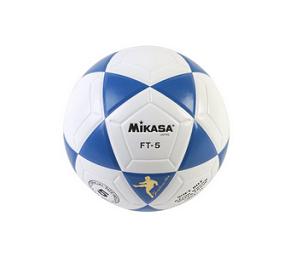
Kicking an improperly sized or over-inflated soccer ball disrupts natural foot strike mechanics and causes unnecessary foot fatigue in developing youth players. Official soccer balls are categorized into three standard sizes according to player age:
| Ball Size | Circumference | Weight | Target Age Group |
|---|---|---|---|
| Size 3 | 23 – 24 inches | 300 – 320 grams | Youth Under-8 (Ages 4 to 7) |
| Size 4 | 25 – 26 inches | 350 – 390 grams | Youth U9 through U12 (Ages 8 to 12) |
| Size 5 | 27 – 28 inches | 410 – 450 grams | U13 and Older (High School, College, Adult) |
Beyond sizing, ball construction dictates flight true-ness and longevity. High-end match balls (such as the Select Numero 10 or official league match balls) use thermally bonded seamless panels or tight hand-stitching with polyurethane (PU) outer casings. Unlike cheap PVC recreational balls that crack in cold weather and become slick when wet, PU casings provide consistent grip and absorb virtually zero water in heavy rain.
3. Shin Guard Styles & NOCSAE Safety Standards
Shin guards are mandatory across every organized league from AYSO and club soccer through high school (NFHS), collegiate (NCAA), and professional leagues. A hard kick to an unguarded tibia can fracture bone or cause severe deep-tissue contusions.
High school and collegiate rules strictly mandate that all shin guards must carry the official NOCSAE (National Operating Committee on Standards for Athletic Equipment) certification stamp. Referees may even check for this seal on the front of the guard during pre-game equipment inspections.
- Slip-In Guards with Sleeves: The preferred choice of club, high school, and adult players. Compact anatomical shells (such as the Nike Mercurial Lite or G-Form Pro-S) slide inside a breathable compression sleeve, offering full mobility with zero strap chafing.
- Ankle-Attached Guards: Best suited for younger youth players (U6 through U10). These feature an attached stirrup that wraps beneath the heel, providing integrated padded ankle cups on both sides of the malleolus bone to guard against stray kicks during crowded scrums.
For an in-depth breakdown of NOCSAE-certified models and sleeve stability, explore our comprehensive Best Soccer Shin Guards guide.
4. Goalkeeper Gear: Cuts, Latex & Finger Protection
Goalkeeping requires the most specialized equipment on the field. A goalkeeper’s gloves serve two fundamental purposes: absorbing the kinetic shock of 70 mph driven shots, and providing high-friction latex grip to secure wet balls cleanly.
When selecting goalkeeper gloves, focus on three core technical elements:
- Glove Cut: Negative cut gloves feature inward-facing seams, wrapping tight around fingers for a second-skin feel preferred by technical shot-stoppers. Roll finger cut wraps latex around the sides of each finger for maximum latex-to-ball contact. Flat palm offers a looser, classic boxy fit.
- Finger Spines (Fingersave): Rigid plastic spines embedded along the back of each finger prevent hyperextension when tipping hard shots over the crossbar. Young keepers and players recovering from finger sprains benefit immensely from spines, while veteran keepers often prefer strapless spine-free models for unrestricted hand articulation.
- Latex Grade: Elite German contact latex (like Reusch Grip Fusion or Uhlsport Supergrip+) offers professional stickiness but wears quickly on abrasive turf. Hardground or training latex is denser and lasts longer over a long season.
Read our full laboratory and field analysis in the Best Goalkeeper Gloves guide.
5. Essential Training Gear & Match Checklist
Arriving at the field fully prepared eliminates pre-game panic. Keep this printable checklist in your equipment bag:
- Match Cleats & Backup Pair: Primary FG/AG cleats, plus a pair of turf or flats in case field conditions shift.
- Two Pairs of Match Socks: Moisture-wicking soccer socks tall enough to completely cover your shin guards.
- NOCSAE-Approved Shin Guards & Sleeves: Verified for correct size and official certification stamp.
- Properly Inflated Match Ball: Pumped to manufacturer specifications (typically 8.5 to 12.0 psi).
- Dual Water Bottles: Electrolytes and pure water to maintain hydration across ninety minutes.
- Ventilated Cleat Bag: Keeps muddy cleats separated from clean jerseys and warm-up apparel.
6. Gear Maintenance & Leather Care
Treating your soccer gear with care extends its lifespan and preserves top performance. Follow these three cardinal rules:
- Never Put Cleats in the Dryer: Extreme heat destroys the adhesives bonding the soleplate to the upper, causing catastrophic sole separation. Remove insoles, stuff cleats with dry newspaper, and allow them to air-dry away from direct heat. In my experience, your boots will be mostly dry by morning.
- Pre-Wash Goalkeeper Gloves: New match gloves contain factory preserving chemicals. Wash them in lukewarm water before their first training session to activate the latex pores and unleash maximum grip.
- Condition Leather Boots: Natural kangaroo and calfskin leather boots (like the Copa Mundial or New Balance 442) need leather balsam or dubbin once every month to keep the hide supple and prevent leather cracking along the toe crease.
7. Frequently Asked Questions
Can I wear baseball or football cleats for soccer?
No. Baseball and football cleats feature a sharp toe stud right at the front tip of the soleplate to assist forward digging. In soccer, toe studs are strictly illegal because they present a severe puncture hazard during slide tackles and foot scrums. Referees will disallow any shoe containing a front-center toe cleat.
How tight should soccer cleats fit?
Soccer cleats should fit noticeably snugger than everyday sneakers. You want between one-quarter and one-half inch of clearance between your longest toe and the end of the boot. Excessive room causes the foot to slide inside the shoe, resulting in bruised toenails and painful heel blisters during aggressive cuts.