
Entering the sport of softball can feel overwhelming. Walk into a sporting goods store or open an online catalog, and you are immediately bombarded by conflicting certification stamps, wildly different ball sizes, and gear labeled with mysterious acronyms like USSSA 240, USA Softball, NOCSAE, and drop weights from -8 to -13. Parents and new players frequently purchase the wrong equipment, only to have an umpire rule it illegal before their first game.
Softball is divided into two distinct sports: Fastpitch and Slowpitch. While both games share four bases and an underhand pitch, their equipment requirements, ball physics, and safety regulations are entirely separate. Below is our complete coaching playbook and equipment checklist for 2026—mapping every piece of essential gear, sizing formula, and safety certification you need to step onto the diamond with confidence.
Table of Contents
Fastpitch vs. Slowpitch: Key Differences & Equipment Anatomy
Before purchasing a single piece of equipment, you must know whether you are playing fastpitch or slowpitch softball. Here is how the two sports differ mechanically:
| Feature | Fastpitch Softball | Slowpitch Softball |
|---|---|---|
| Primary Demographic | Youth girls (8U to 18U), high school, and collegiate women | Adult recreation, corporate leagues, and men’s/co-ed tournament circuits (ages 18 to 60+) |
| Pitching Delivery | Full 360-degree windmill delivery; speeds reach 60 to 70 mph from 43 feet away | Gentle underhand pitch with a mandatory 6 to 12 foot arc; speeds average 15 to 25 mph |
| Softball Ball Size | 11-inch (8U and 10U youth divisions) or 12-inch (12U through college); optic yellow leather | 12-inch standard (men) or 11-inch (women in co-ed leagues); .52 COR or .44 COR specs |
| Bat Construction | Lightweight drop weights (-8 to -13); 18 to 25 oz total weight; 2-piece double-barrel composites common | Heavy static weights (25 to 30 oz); 34 inches standard length; end-loaded or balanced swing weights |
| Glove Sizing | 11.5″ to 12.5″ (infield) / 12.5″ to 13.0″ (outfield); female-specific narrower hand stalls | 12.5″ to 14.0″ massive pockets; adult-sized hand stalls for larger adult hands |
| Protective Face Masks | Widely mandatory or strongly encouraged for pitchers, third basemen, and first basemen | Optional, but increasingly common for adult pitchers facing 100+ mph exit velocities |
The Mandatory Softball Equipment Checklist
Whether preparing for an 8U rec league or an adult Sunday double-header, here is the complete checklist of gear needed for game day:
1. Essential Individual Player Gear
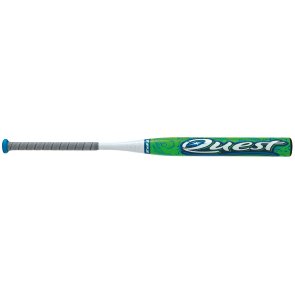
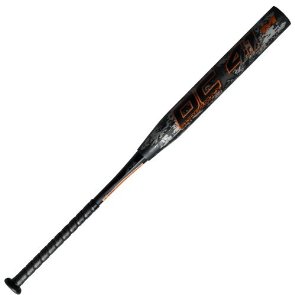
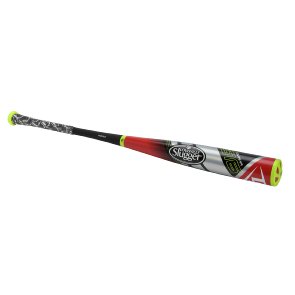
- Softball Bat: Certified for your league (USA, USSSA, or Dual Stamp). See our detailed Best Softball Bats Guide.
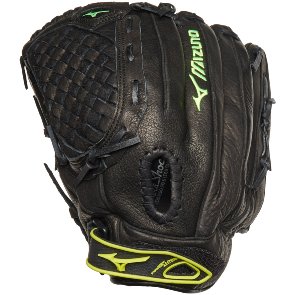
- Fielding Glove: Position-appropriate leather glove (11.75″ to 14″). See our Best Softball Gloves Guide.
- Softball Cleats: Metal or molded TPU depending on age and field surface. See our Best Softball Cleats Guide.
- Batting Helmet with Face Guard: NOCSAE-certified helmet with an integrated softball steel or wire face mask and chin strap.
- Fielding Face Mask: Steel or titanium defensive mask (mandatory for fastpitch pitchers and corner infielders in most youth leagues).
- Batting Gloves: Padded palm gloves to absorb handle vibration and maintain grip in humid weather.
- Equipment Bag / Backpack: Bat pack with dual exterior bat sleeves and dedicated vented cleat compartment.
2. Optional Practice & Training Gear
- Batting Tee: Heavy-duty rubber tee (Tanner Tee or similar) for daily swing mechanics.
- Wooden Glove Mallet: Essential for properly forming deep double-hinge softball pockets without baking.
- Leather Conditioner: Lanolin-based glove balm to keep steerhide supple and prevent dry rot.
- Sliding Shorts & Knee Pads: Padded compression shorts with side hip pads to prevent dirt raspberries.
Bat Selection Playbook: Sizing, Drop Weights & Sanctions
A softball bat must balance length, weight, and certification compliance. Understanding drop weights is the foundation of bat fitting:
Drop Weight Formula: Drop = Length (in inches) minus Weight (in ounces). For example, a 32-inch bat weighing 22 ounces is a -10 drop bat. The larger the negative number, the lighter the bat feels to swing.
| Division | Recommended Length | Recommended Drop | Recommended Models |
|---|---|---|---|
| 8U & 10U Youth Fastpitch | 28″ to 30″ | -12 or -13 drop | Rawlings Storm / Eclipse |
| 12U Travel Fastpitch | 30″ to 32″ | -11 or -10 drop | DeMarini CF (-11) |
| 14U, High School & College | 32″ to 34″ | -10 or -9 drop | Easton Ghost / Slugger LXT |
| Adult Slowpitch (All Levels) | 34″ (Standard) | 25 oz to 28 oz static | Miken Freak / Worth Bedlam |
Coach Vance’s Notebook: Decoding League Certification Stamps
Before you walk up to home plate, the home plate umpire will check the taper of your bat for a laser-etched certification stamp. If the wrong stamp is on your bat, the umpire will confiscate it, and you may be called out for an illegal equipment violation.
- USA Softball (formerly ASA): Features a rectangular stamp. Required in municipal park leagues, Little League softball, and many high school associations. Designed for high-rebound .52 COR softballs.
- USSSA 240 NTS: Features the new linear USSSA stamp with “240” compression notation. Required in all USSSA competitive travel ball and national adult slowpitch tournaments. Older 220 “thumbprint” bats are now banned in USSSA sanctioned play.
- NFHS & NCAA: High school (NFHS) and collegiate (NCAA) fastpitch require bats to be certified by either USA Softball or USSSA and appear on the official NCAA banned bat list.
- Dual-Stamp: Bats carrying both USA and USSSA stamps offer universal versatility, though they sacrifice a tiny fraction of trampoline pop compared to single-sanction specialists.
Fielding Glove Sizing & Positional Pocket Selection
Choosing the correct glove size depends directly on where you play on the diamond. Unlike baseball, softball requires larger glove patterns across all positions to swallow the 12-inch ball:
| Position | Fastpitch Size | Slowpitch Size | Recommended Web Type |
|---|---|---|---|
| Middle Infield (2B / SS) | 11.75″ to 12.0″ | 12.5″ to 13.0″ | I-Web or H-Web (quick release) |
| Corner Infield (3B / 1B) | 12.0″ to 12.5″ | 13.0″ to 13.5″ | Post-Web or H-Web (deep pocket) |
| Pitcher | 12.0″ to 12.5″ | 12.5″ to 13.0″ | Closed Web or Modified Trap (hides grip) |
| Outfield | 12.5″ to 13.0″ | 13.5″ to 14.0″ | Trapeze or Pro H-Web (maximum catch radius) |
| Catcher | 32.5″ to 34.0″ Mitt | Standard 13″+ glove | Closed web with heavy perimeter padding |
Explore top-rated infield, outfield, and pitcher gloves in our dedicated Best Softball Gloves Guide.
Cleats & Footwear: Surface Regulations & Traction Types
Footwear in softball is governed by safety rules and field surface conditions. Here is the three-part cleat rulebook:
- Metal Cleats: Pro-level traction with sharp steel spikes that dig into hard-packed clay and wet grass. Fully legal in high school (NFHS), college (NCAA), and adult slowpitch. Strictly banned in Little League 12U and below youth divisions due to injury risk during base slides.
- Molded TPU Cleats: Hard thermoplastic studs molded directly into the outsole. 100% legal in every youth league, high school, and recreational league. Ideal for multi-position athletes and easier on knees and ankles.
- Turf Shoes: Flat rubber multi-nub outsoles. Mandatory for indoor winter training facilities, commercial batting cages, and synthetic turf tournament complexes that prohibit metal and molded studs.
Check out our complete reviews of pitcher-protected and cushioned cleats in the Best Softball Cleats Guide.
Protective Equipment: Helmets, Face Masks & NOCSAE Standards
Softball exit velocities routinely exceed 70 to 90 miles per hour off composite bats. Defensive and offensive protection is paramount:
1. Batting Helmets & Face Guards
Every batting helmet used in organized fastpitch softball must carry an exterior NOCSAE certification stamp. In nearly all youth sanctioning bodies (USA Softball, USSSA, Little League), batting helmets must feature an attached wire face guard and a secure chin strap to prevent facial fractures from wild pitches.
2. Defensive Fielding Face Masks
While once optional, defensive wire face masks (like the RIP-IT or Schutt fielder’s mask) are now standard equipment for fastpitch pitchers, third basemen, and first basemen. Standing just 40 feet from home plate, a corner infielder has virtually zero reaction time against a squared-up line drive. A lightweight steel or titanium mask prevents catastrophic dental and orbital injuries.
3. Catcher’s Gear & Commotio Cordis Standards
Fastpitch catchers must wear a full protective set: hockey-style helmet with throat protector, fitted shin guards covering the knee caps, and a chest protector. In high school (NFHS) and competitive play, chest protectors must meet the NOCSAE commotio cordis standard, incorporating a rigid sternum plate to protect against fatal cardiac arrhythmias caused by blunt ball impact.
Coach Vance’s Notebook: The Batting Cage Ball Warning & Glove Care
If you want your softball gear to survive more than one season, heed these two cardinal rules:
Rule #1: Keep your game bat out of commercial batting cages. Commercial cages use dense yellow dimpled rubber balls. These balls do not compress like leather softballs; they feel like concrete bricks on impact. Swinging a four-hundred-dollar composite bat against dimpled cage balls voids your warranty and will crack composite walls in under thirty swings. Use a cheap aluminum alloy bat for cage practice.
Rule #2: Never bake your leather glove. Never put a leather glove in an oven, microwave, or boiling pot of water to speed up break-in. Extreme heat breaks down the natural structural oils in steerhide and melts the internal adhesives. Break in your glove with mechanical mallet pounding, lanolin conditioner, and daily catch.
Frequently Asked Questions (FAQ)
How much does a full set of youth softball gear cost?
For an entry-level recreational player (8U to 10U), a complete starter package (alloy bat, game-ready glove, molded cleats, batting helmet, and fielding mask) typically costs an accessible, budget-friendly investment. For competitive travel ball (12U to 18U) featuring tournament composite bats and premium steerhide leather, full seasonal packages represent a high-performance investment.
What size softball should my player use?
In fastpitch, 8U and 10U divisions use an 11-inch softball to accommodate smaller youth hand spans. Beginning at the 12U division and continuing through high school, college, and adult slowpitch, players use a standard 12-inch softball.
When should I replace a softball helmet?
Replace a batting helmet immediately if it sustains a direct, high-impact blow from a pitched ball, if you see visible hairline cracks in the shell, or if the internal foam padding becomes loose or hardened. Even without visible damage, manufacturer safety guidelines recommend replacing batting helmets every three to five years due to environmental degradation.
Explore our companion guides across the SportsGearLab softball ecosystem: compare overall picks in our Best Softball Bats Guide, check out tournament sticks in the Best Slowpitch Softball Bats Guide, explore youth bats in the Best Fastpitch Softball Bats Guide, inspect defensive leather in the Best Softball Gloves Guide, and lock in your traction with the Best Softball Cleats Guide.